
Immobiliser Repairs Cardiff
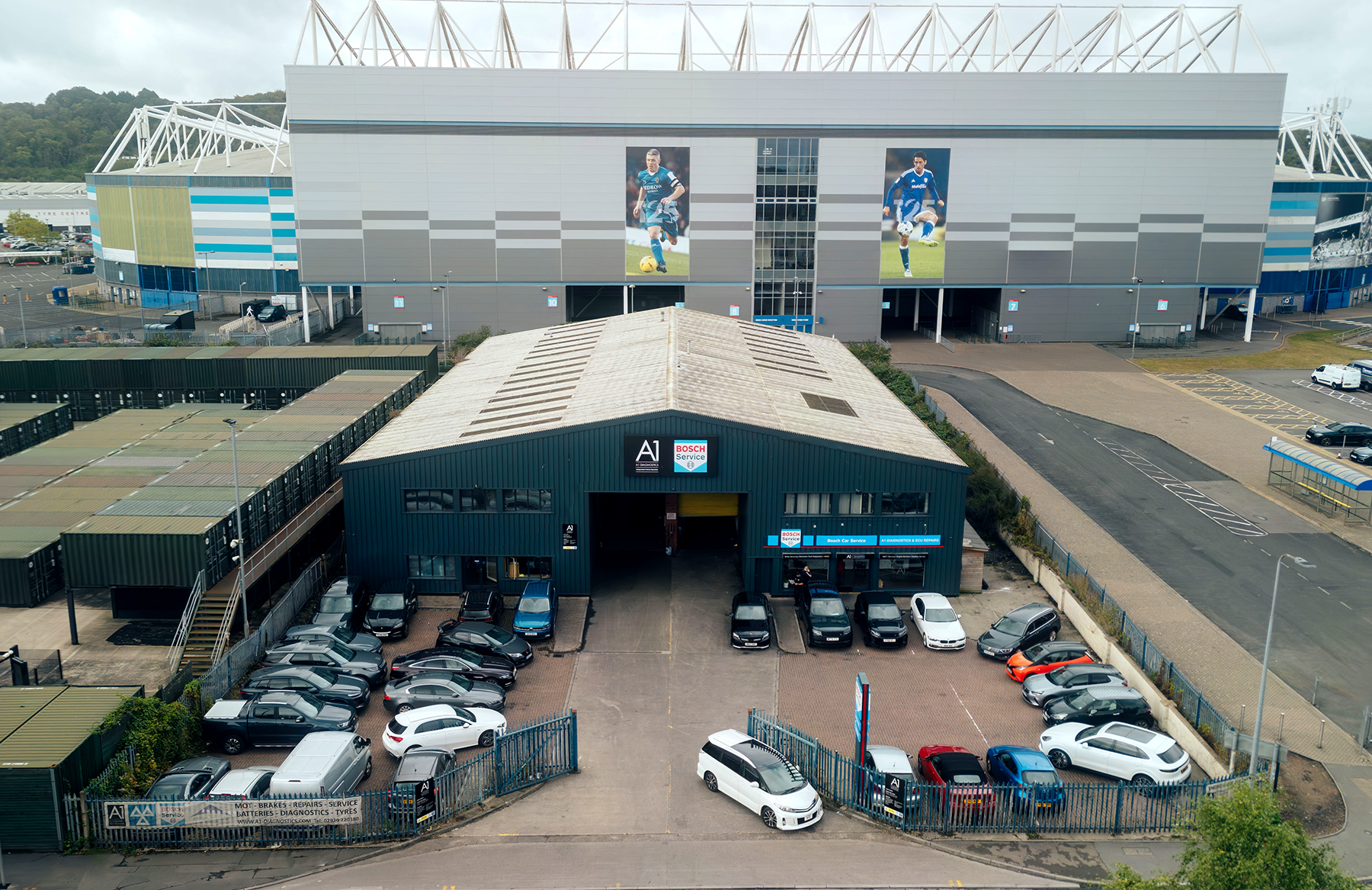
A1 Diagnostics provides specialist immobiliser fault diagnosis, electronic testing and vehicle security-system repairs from our independent garage in Cardiff.
If your vehicle does not recognise its key, displays an immobiliser warning, cranks without starting or starts and then immediately stops, our technicians can investigate the underlying problem. Depending on the vehicle, the fault may involve the key transponder, reader coil, wiring, vehicle battery, immobiliser control unit, body control module or communication with the engine ECU.
Our workshop is conveniently located on Sloper Road near Cardiff City Stadium. We assist motorists from Leckwith, Canton, Grangetown, Riverside, Ely, Fairwater and surrounding areas of Cardiff.

Immobiliser Fault Diagnosis in Cardiff
A vehicle immobiliser is an electronic security system designed to prevent the engine from starting unless the vehicle recognises an authorised key. The system can involve a transponder within the key, an antenna or reader, security control modules and communication with the engine-management system.
When a fault occurs, diagnostic trouble codes can provide useful information, but a code alone does not necessarily confirm which component needs replacing. A1 Diagnostics uses a structured testing process to determine whether the problem relates to the key, immobiliser system or another part of the vehicle.
Depending on the vehicle and symptoms, diagnosis may include:
- Checking the vehicle battery and system voltage
- Testing the main and spare keys where available
- Reading relevant diagnostic trouble codes
- Examining live data and key-recognition status
- Inspecting the immobiliser antenna or reader coil
- Checking wiring, connections and power supplies
- Testing communication between control modules
- Confirming whether the ECU authorises the engine to start
- Investigating faults following module replacement
- Checking for programming or synchronisation problems


Signs and Causes of an Immobiliser Problem
Common signs of a possible immobiliser fault include:
- “Key not recognised” or “key not detected” message
- Immobiliser or security warning light remaining illuminated
- Security light flashing unexpectedly
- Engine turning over but failing to start
- Engine starting and stopping shortly afterwards
- Starter motor not operating
- Intermittent starting difficulties
- Vehicle starting with one key but not another
- Remote locking working while the engine remains immobilised
- Fault beginning after a flat or disconnected battery
These symptoms do not prove that the immobiliser has failed. A weak vehicle battery, damaged key, starter fault, ignition problem, fuel-system fault or communication error can create similar behaviour.
Potential causes can include:
- Damaged key transponder
- Key programming or synchronisation loss
- Faulty key reader or antenna coil
- Low vehicle-battery voltage
- Damaged wiring or electrical connections
- Water damage or corrosion
- Immobiliser control-unit failure
- Body control module faults
- ECU communication problems
- Incorrectly fitted replacement modules
- Software or configuration faults
- Damage following a collision or previous repair

Immobiliser, Key and Control-Module Repairs
Once the cause has been established, A1 Diagnostics can explain the available repair or programming options. The correct procedure will depend on the vehicle, security system and component responsible for the fault.
Services may include:
- Immobiliser fault diagnosis
- Key-recognition testing
- Transponder key programming
- Replacement-key coding
- Key removal from the authorised-key list where supported
- Immobiliser and ECU synchronisation
- Replacement ECU programming
- Body control module programming
- Immobiliser control-unit coding
- Module configuration and adaptation
- Wiring and electrical repairs
- Repair or replacement of applicable reader components
- Diagnostic checks following repair
Replacement ECUs, body control modules and immobiliser modules cannot always be fitted and used immediately. Depending on the vehicle, a replacement unit may need to be programmed, configured or matched to other components within the security system.
Contact our established independent automotive repair centre

We can help you save on the cost of an expensive visit to your main dealer and get you back on the road for less. If you think you have an immobiliser problem, please get in touch using the contact details below to discuss your options.
A1 Diagnostics
64 Sloper Road
Leckwith,
Cardiff
CF11 8AB
Tel: 02920 220 380
Opening Times
Mon – Fri: 8:00am – 6:00pm
Immobiliser Frequently Asked Questions
What does a vehicle immobiliser do?
An immobiliser is an electronic security system that prevents the engine from starting unless the vehicle recognises an authorised key or security credential.
What are the signs of a faulty immobiliser?
Possible signs include a key-not-recognised message, a flashing security light, intermittent starting, an engine that cranks but does not start or an engine that starts and immediately stops. These symptoms can also have other causes, so diagnosis is required.
Why is my car not recognising its key?
Possible causes include a damaged key transponder, low vehicle voltage, signal interference, a faulty reader coil, damaged wiring, programming loss or a communication problem between control modules.
Why does my car start and then immediately stop?
The immobiliser may be preventing continued engine operation because it cannot authenticate the key. Fuel, ignition, sensor and engine-management faults can produce similar symptoms, so the vehicle should be tested.
Can a flat battery cause immobiliser problems?
Low or unstable voltage can cause warning messages, communication faults or loss of certain stored settings on some vehicles. If the problem began after a flat battery or battery replacement, mention this when booking.
Should I try my spare key?
Yes. If the vehicle starts with the spare key, the original key may be damaged or no longer recognised. Bring all available keys when attending the workshop.
Can A1 Diagnostics program replacement car keys?
A1 Diagnostics can provide key-coding and programming services for many vehicles. Capability depends on the manufacturer, model, security system and availability of the required authorised access.
Can you remove a lost or stolen key from the vehicle?
This may be possible on supported vehicles by updating the list of authorised keys. Customers will need to provide proof of identity and ownership before security-related work is undertaken.
Can an immobiliser control module be repaired?
Some faults can be repaired, while others require module replacement, programming or synchronisation. Diagnosis is needed before the correct option can be recommended.
Does a replacement ECU need programming?
A replacement ECU frequently requires vehicle-specific programming, configuration or immobiliser synchronisation before the engine will start. The exact procedure depends on the vehicle.
Is an immobiliser warning light an MOT failure?
The outcome depends on the vehicle, warning displayed and applicable MOT inspection requirements. A warning light should be diagnosed even where it does not directly result in an MOT failure.
Can I drive with an immobiliser fault?
An intermittent immobiliser fault could leave the vehicle unable to restart. If the engine cuts out, will not start reliably or the vehicle cannot be driven safely, arrange appropriate recovery rather than continuing the journey.
How much does an immobiliser repair cost?
The cost depends on the vehicle and whether the fault involves diagnosis, wiring repair, key programming, a reader component or a control module. Provide the vehicle registration and fault details so A1 Diagnostics can assess the enquiry.
How long does immobiliser diagnosis take?
Diagnostic time varies according to the vehicle, symptoms and complexity of the fault. Intermittent problems or communication faults may require more testing than a straightforward key-programming procedure.
What should I bring to the appointment?
Bring all available keys, proof of identity and proof that you own or are authorised to manage the vehicle. Details of recent battery, ECU, body control module or electrical work can also help the diagnostic process.