

Call Us Now
02920 220 380
Opening Hours
Mon - Fri 8am - 6pm
64 Sloper Road, Cardiff,
CF11 8AB
Vehicle Engine Servicing and Repair
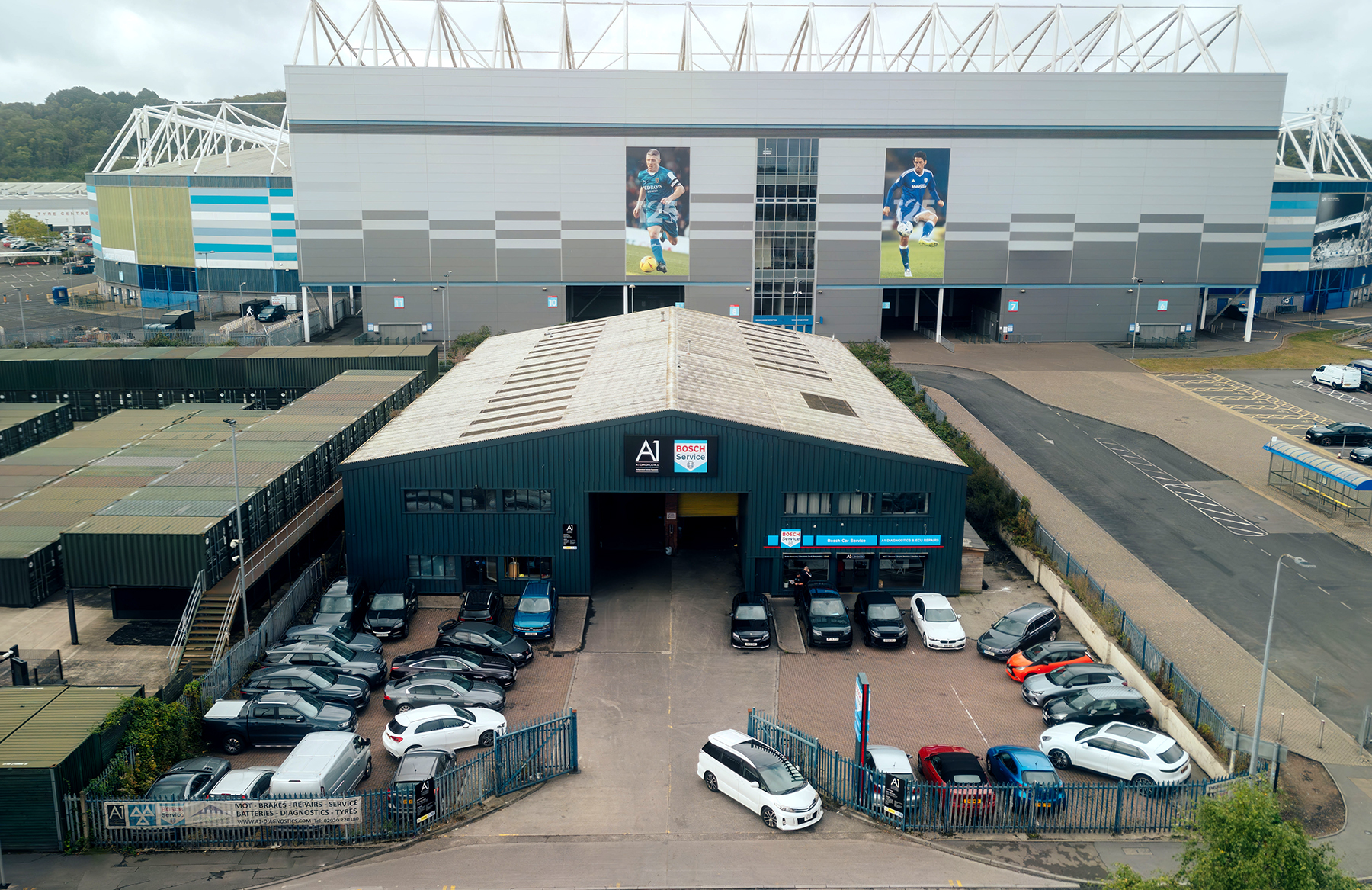
Vehicle Engine Repairs in Cardiff
A1 Diagnostics provides professional engine servicing, diagnostics, repairs and replacement services for customers across Cardiff and the surrounding areas. Our workshop is located on Sloper Road near Cardiff City Stadium, making us easy to reach from Leckwith, Canton, Grangetown, Riverside, Ely, Fairwater and other parts of Cardiff.
Engine problems can be mechanical, electrical, electronic or emissions-related. Our technicians can investigate warning lights, starting problems, poor performance, overheating, unusual noises, smoke, oil leaks and other engine symptoms before recommending the appropriate repair.
As an independent garage and Bosch Car Service centre, A1 Diagnostics combines mechanical engine experience with advanced diagnostic equipment. This allows many engine faults to be diagnosed and repaired within the same Cardiff workshop.
Engine Servicing Cardiff
Regular vehicle servicing helps protect the engine by ensuring that important fluids, filters and service items are inspected or replaced at the appropriate intervals.
Depending on the vehicle and service schedule, engine-related servicing may include:
1. Engine oil replacement
2. Oil-filter replacement
3. Air-filter inspection or replacement
4. Fuel-filter replacement where required
5. Spark-plug replacement on applicable petrol engines
6. Fluid-level checks
7. Drive-belt inspection
8. Cooling-system checks
9. Visible leak inspection
10. Warning-light and service-indicator checks
11. Manufacturer-specified maintenance items
The exact work required should be based on the vehicle’s age, mileage, engine and manufacturer schedule.
Add a link from “car servicing Cardiff” to the main servicing page so the engine page does not have to duplicate the entire service offering.

Engine Servicing Frequently Asked Questions
Signs Your Engine Needs
Attention
Customers should arrange an inspection if they notice:
1. Engine warning light
2. Loss of engine power
3. Difficult or slow starting
4. Rough idling
5. Engine misfires
6. Knocking, tapping or rattling noises
7. Excessive exhaust smoke
8. Burning smells
9. Engine overheating
10. Coolant loss
11. Oil leaks
12. Low oil-pressure warning
13. Increased fuel consumption
14. Vehicle entering reduced-power mode
15. Engine cutting out
16. Excessive vibration
17. Contaminated oil or coolant
Avoid stating that these symptoms always mean the engine itself has failed. Many can be caused by sensors, wiring, fuel delivery, ignition, intake, exhaust, cooling or emissions-system faults.

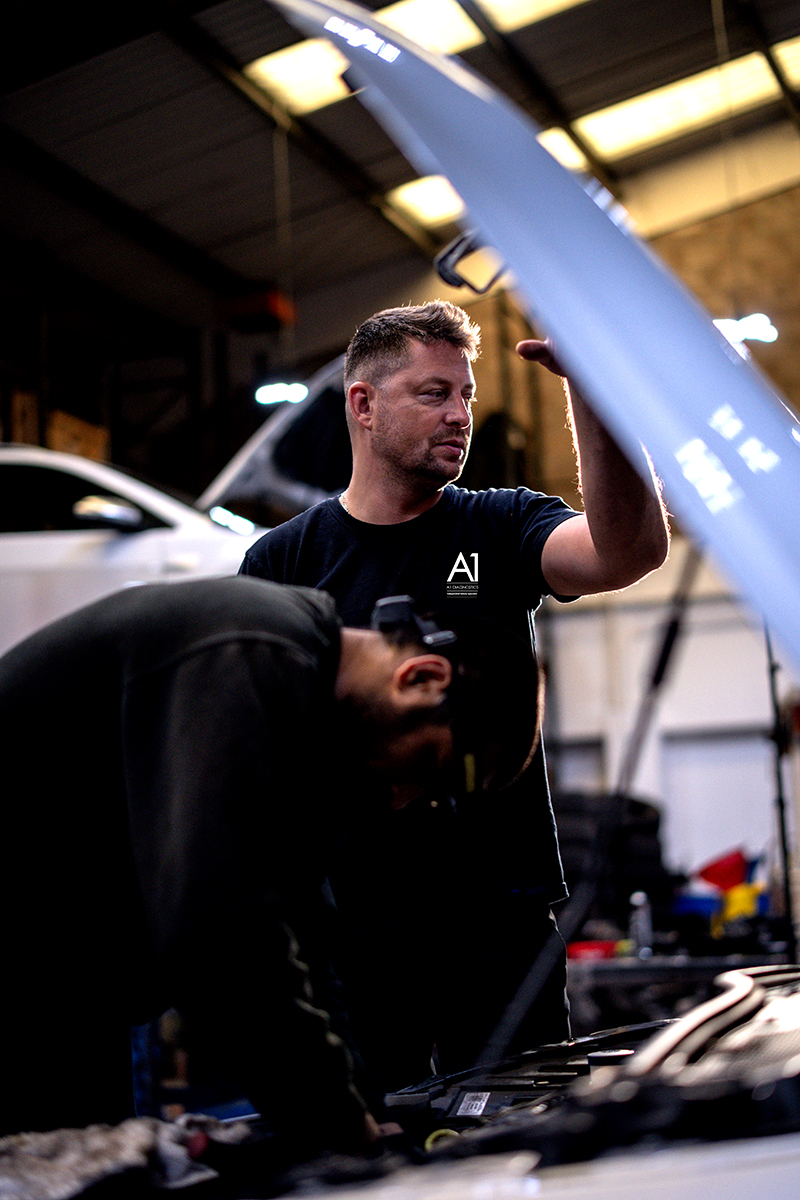
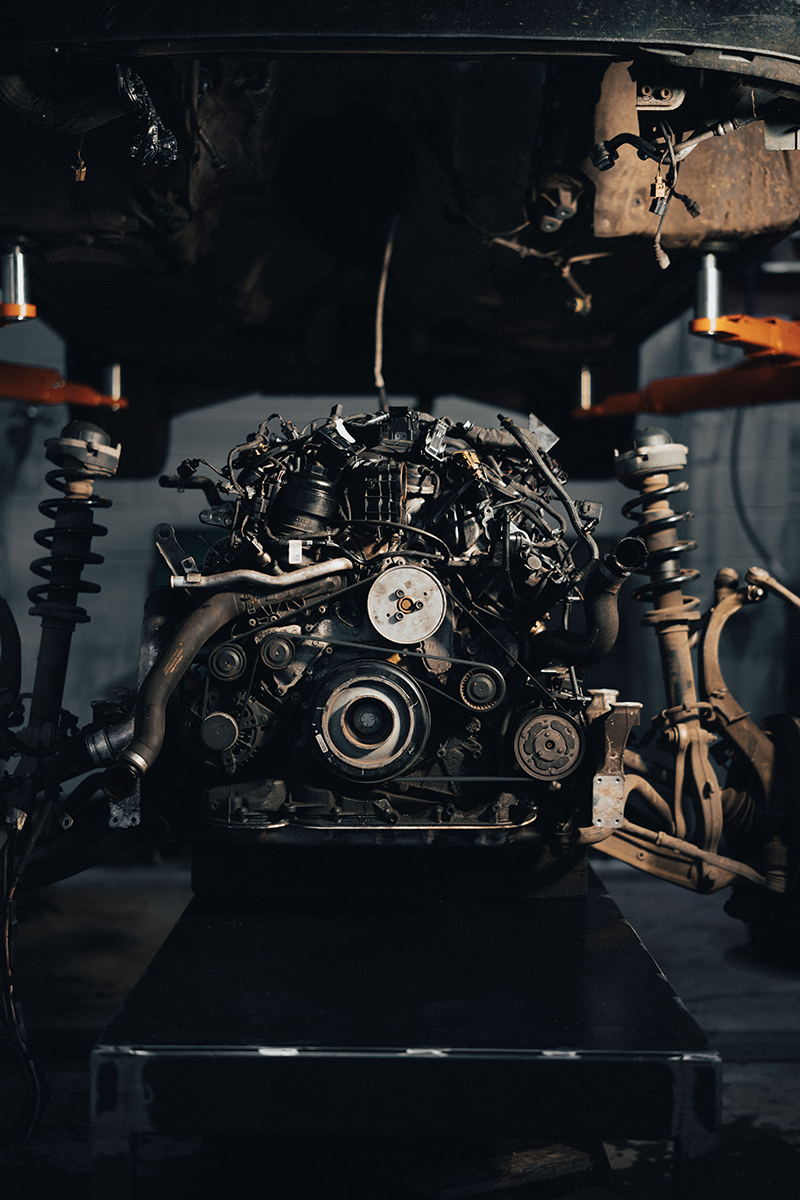
Engine Diagnostics Cardiff
Modern engine diagnosis involves more than simply reading a fault code. The diagnostic process may require electronic testing, mechanical checks and analysis of how different systems are operating together.
Depending on the symptoms, A1 Diagnostics may carry out:
1. Diagnostic trouble-code scanning
2. Live-data analysis
3. Sensor and actuator testing
4. Electrical circuit checks
5. Fuel-pressure testing
6. Ignition-system testing
7. Compression testing
8. Cylinder leak-down testing
9. Cooling-system pressure testing
10. Smoke testing for intake leaks
11. Oil-pressure testing
12. Emissions-system checks
13. Visual inspection for damage or leaks
14. Road testing where safe and appropriate
Only list tests that the workshop has the equipment and procedures to perform.
The page should explain that fault codes provide useful evidence but do not automatically confirm which part needs replacing.
Signs Your Engine Needs
AttentionCustomers should arrange an inspection if they notice:
1. Engine warning light
2. Loss of engine power
3. Difficult or slow starting
4. Rough idling
5. Engine misfires
6. Knocking, tapping or rattling noises
7. Excessive exhaust smoke
8. Burning smells
9. Engine overheating
10. Coolant loss
11. Oil leaks
12. Low oil-pressure warning
13. Increased fuel consumption
14. Vehicle entering reduced-power mode
15. Engine cutting out
16. Excessive vibration
17. Contaminated oil or coolant
Avoid stating that these symptoms always mean the engine itself has failed. Many can be caused by sensors, wiring, fuel delivery, ignition, intake, exhaust, cooling or emissions-system faults.

Engine Rebuilds and
Internal Engine Repairs
When an engine has suffered significant internal wear or damage, it may require more extensive work than an external-component repair.
Depending on the engine and the fault, internal work may involve:
1. Removing and dismantling the engine
2. Inspecting internal components
3. Cylinder-head repairs
4. Head-gasket replacement
5. Valve and valve-seat work
6. Piston or piston-ring replacement
7. Bearing replacement
8. Crankshaft inspection
9. Timing-system replacement
10. Gasket and seal replacement
11. Oil-pump inspection or replacement
12. Cleaning oil and coolant passages
13. Reassembly using the correct technical specifications
Not every damaged engine requires a complete rebuild. The workshop should diagnose the failure, consider the condition of the complete engine and compare repair and replacement options.
Only advertise “engine rebuilding” if this work is completed by A1 Diagnostics or under its direct management.
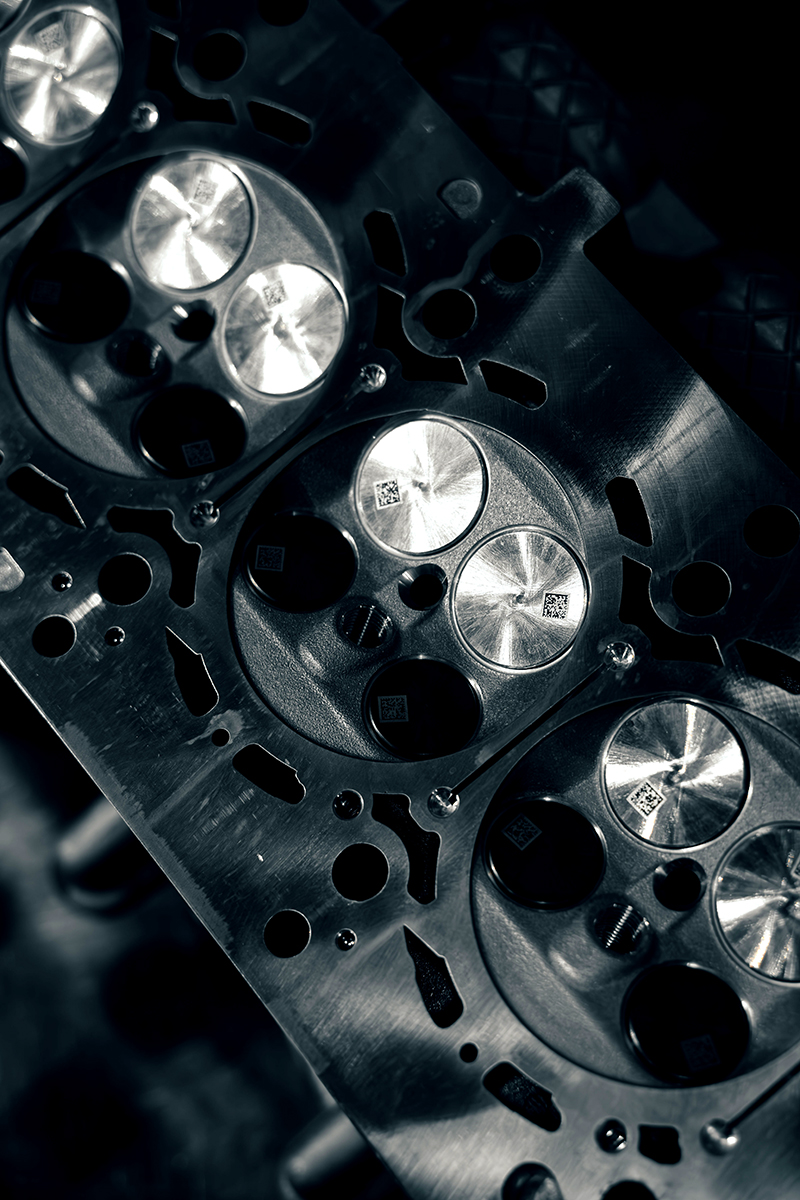

Replacement Engines Cardiff
If an engine is damaged beyond economical repair, replacing it may be a more practical option. A1 Diagnostics can assess the vehicle and explain whether repairing, rebuilding or replacing the engine is likely to offer the best outcome.
A replacement-engine service may involve:
1. Confirming the correct engine code
2. Sourcing a suitable replacement unit
3. Checking compatibility with the vehicle
4. Removing the failed engine
5. Transferring compatible ancillary components
6. Inspecting relevant belts, chains, hoses and mountings
7. Installing the replacement engine
8. Replacing required fluids and filters
9. Completing necessary electronic configuration
10. Checking for leaks and warning lights
11. Testing the completed installation
The page should explain whether A1 Diagnostics supplies new, remanufactured, reconditioned or used engines. Do not use these descriptions interchangeably because they mean different things.
Any warranty should be stated clearly, including whether it is provided by A1 Diagnostics or the engine supplier.
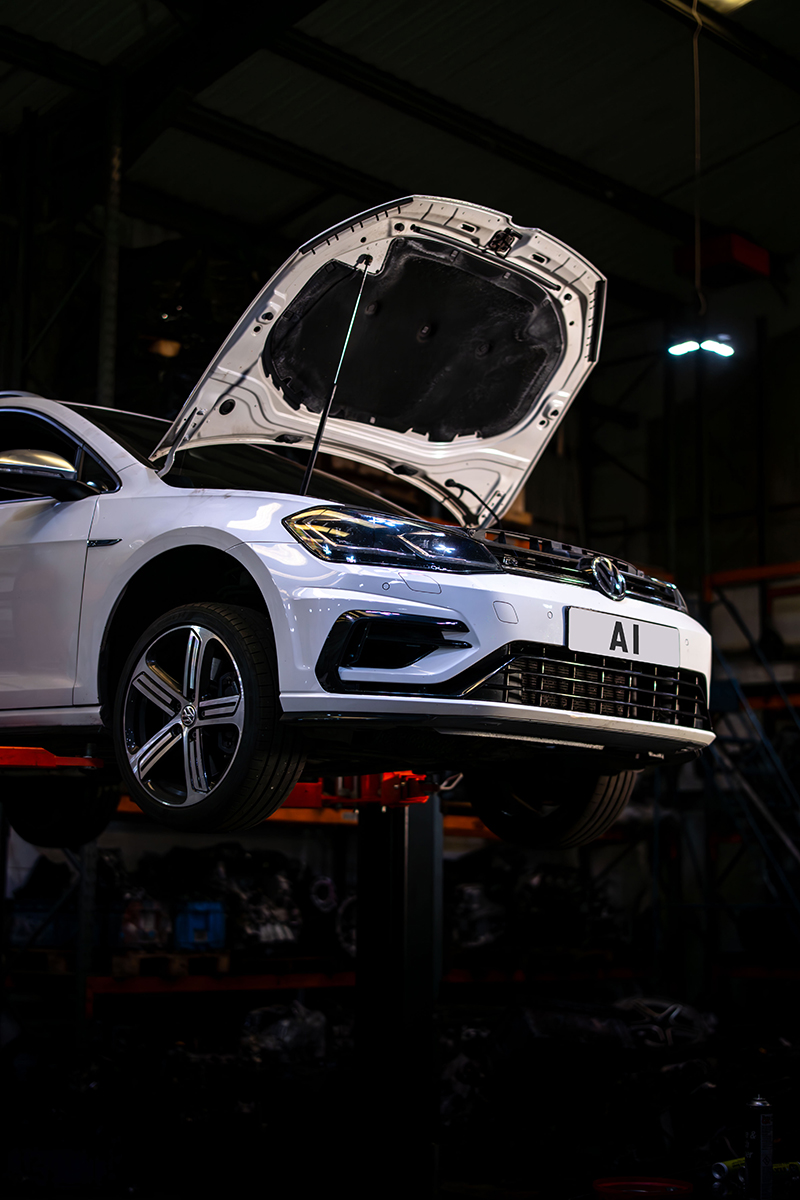
Replacement Engines CardiffIf an engine is damaged beyond economical repair, replacing it may be a more practical option. A1 Diagnostics can assess the vehicle and explain whether repairing, rebuilding or replacing the engine is likely to offer the best outcome.
A replacement-engine service may involve:
1. Confirming the correct engine code
2. Sourcing a suitable replacement unit
3. Checking compatibility with the vehicle
4. Removing the failed engine
5. Transferring compatible ancillary components
6. Inspecting relevant belts, chains, hoses and mountings
7. Installing the replacement engine
8. Replacing required fluids and filters
9. Completing necessary electronic configuration
10. Checking for leaks and warning lights
11. Testing the completed installation
Contact our established independent automotive repair centre
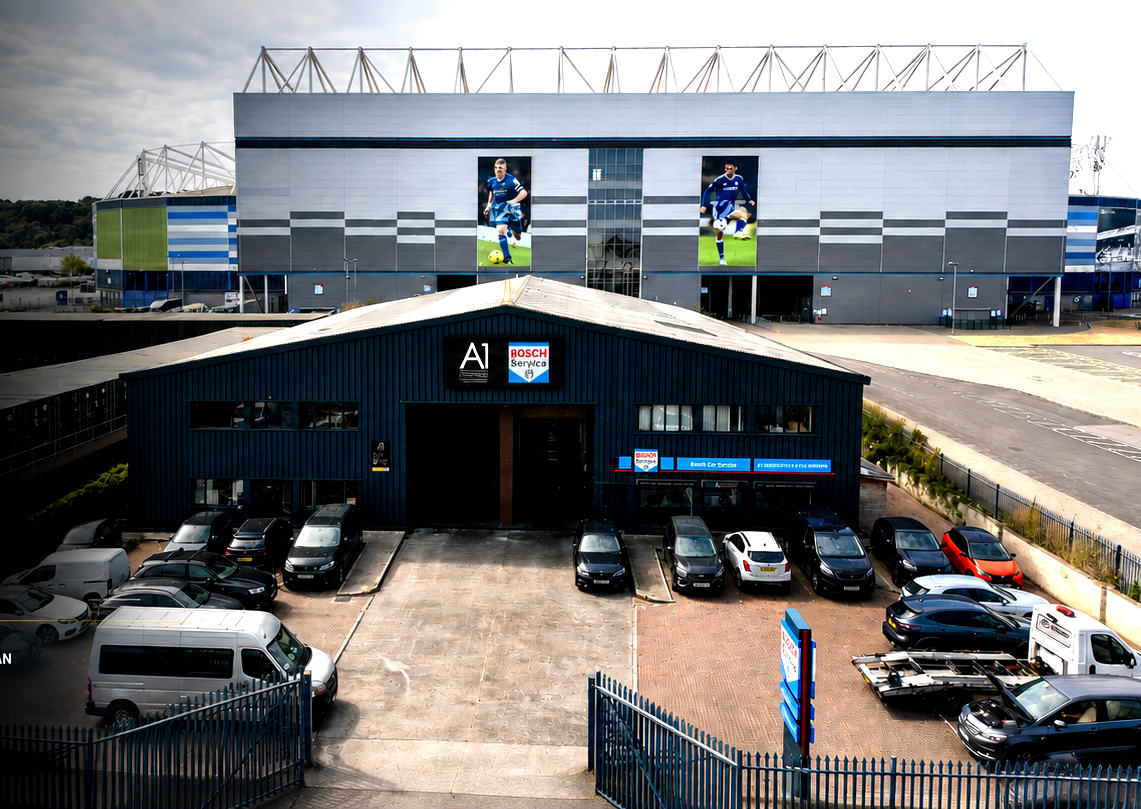
At A1 Diagnostics, there are no hidden charges. Every quote will be honoured unless our diagnostic system uncovers further faults. In that case, you will be advised of the cost before the work begins.
A1-Diagnostics and ECU Repairs
64 Sloper Road
Leckwith,
Cardiff
CF11 8AB
Tel: (029 20) 220380
Fax: (029 20) 223172
Opening Times
Mon – Fri: 8:00am – 6:00pm