

Call Us Now
02920 220 380
Opening Hours
Mon - Fri 8am - 6pm
64 Sloper Road, Cardiff,
CF11 8AB
Brake Repairs and Servicing Cardiff
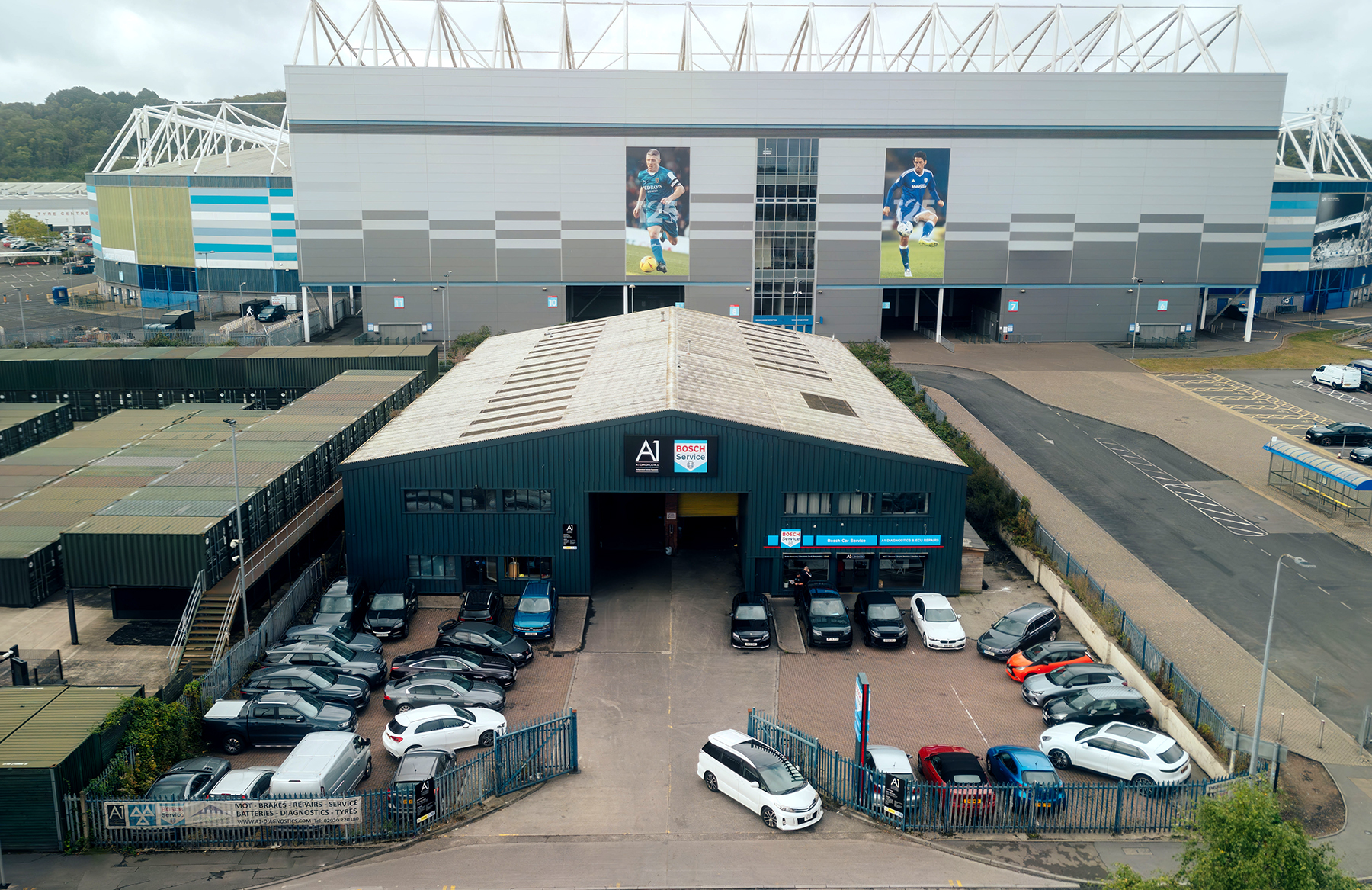
A1 Diagnostics provides professional brake inspections, servicing, diagnostics and repairs from our independent garage in Cardiff. Whether your vehicle needs replacement brake pads and discs, a brake fluid change, ABS diagnostics or investigation of a braking problem, our technicians can help.
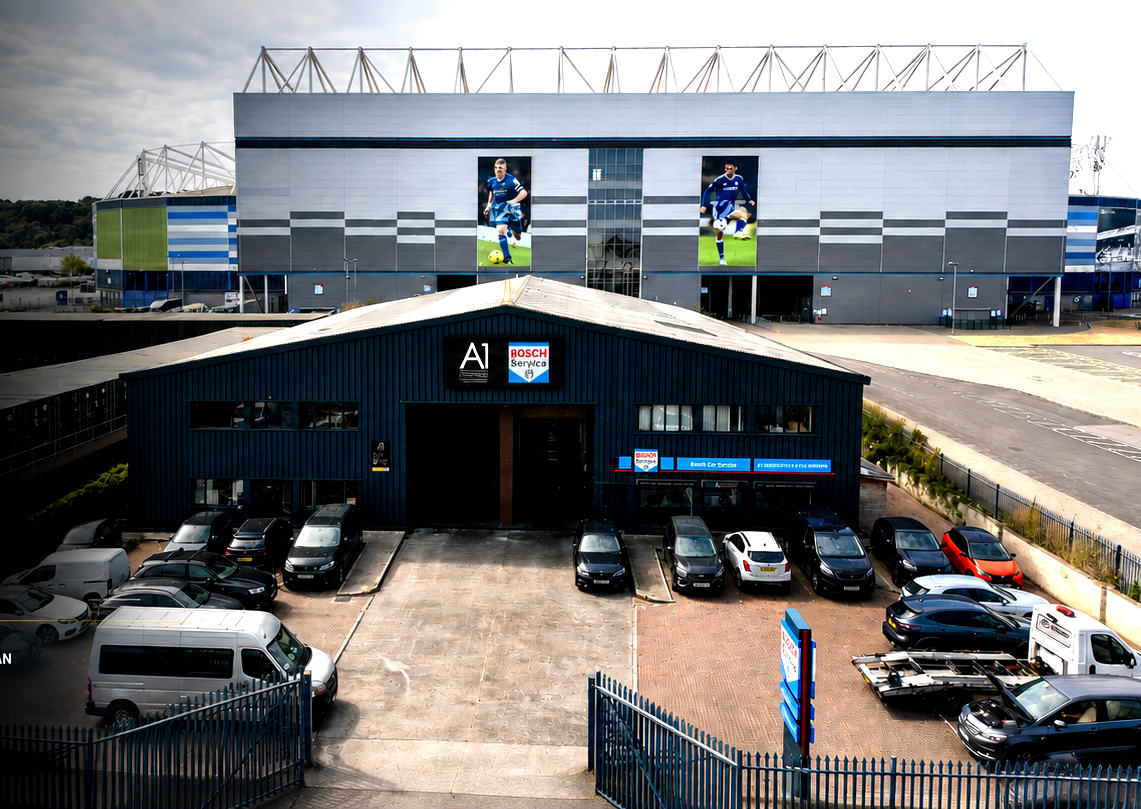
Our workshop is located on Sloper Road near Cardiff City Stadium, making us easy to reach from Leckwith, Canton, Grangetown, Riverside, Ely, Fairwater and other parts of Cardiff.
If your brakes are making unusual noises, the vehicle pulls to one side, the pedal feels different or a brake warning light has appeared, arrange an inspection as soon as possible.
A1 Diagnostics provides brake maintenance and repair services for motorists throughout Cardiff and the surrounding areas. From routine brake inspections to hydraulic and electronically controlled braking faults, our technicians can assess the system and explain any work required.
As a Bosch Car Service centre and fully equipped independent garage, we can combine mechanical inspections with electronic diagnostics. This is particularly important on modern vehicles fitted with ABS, electronic parking brakes, brake pad wear sensors and electronically controlled stability systems.
If repairs are required following an MOT failure, A1 Diagnostics can explain the defects and provide a quotation for the necessary work.
What Does a Brake Inspection Include?
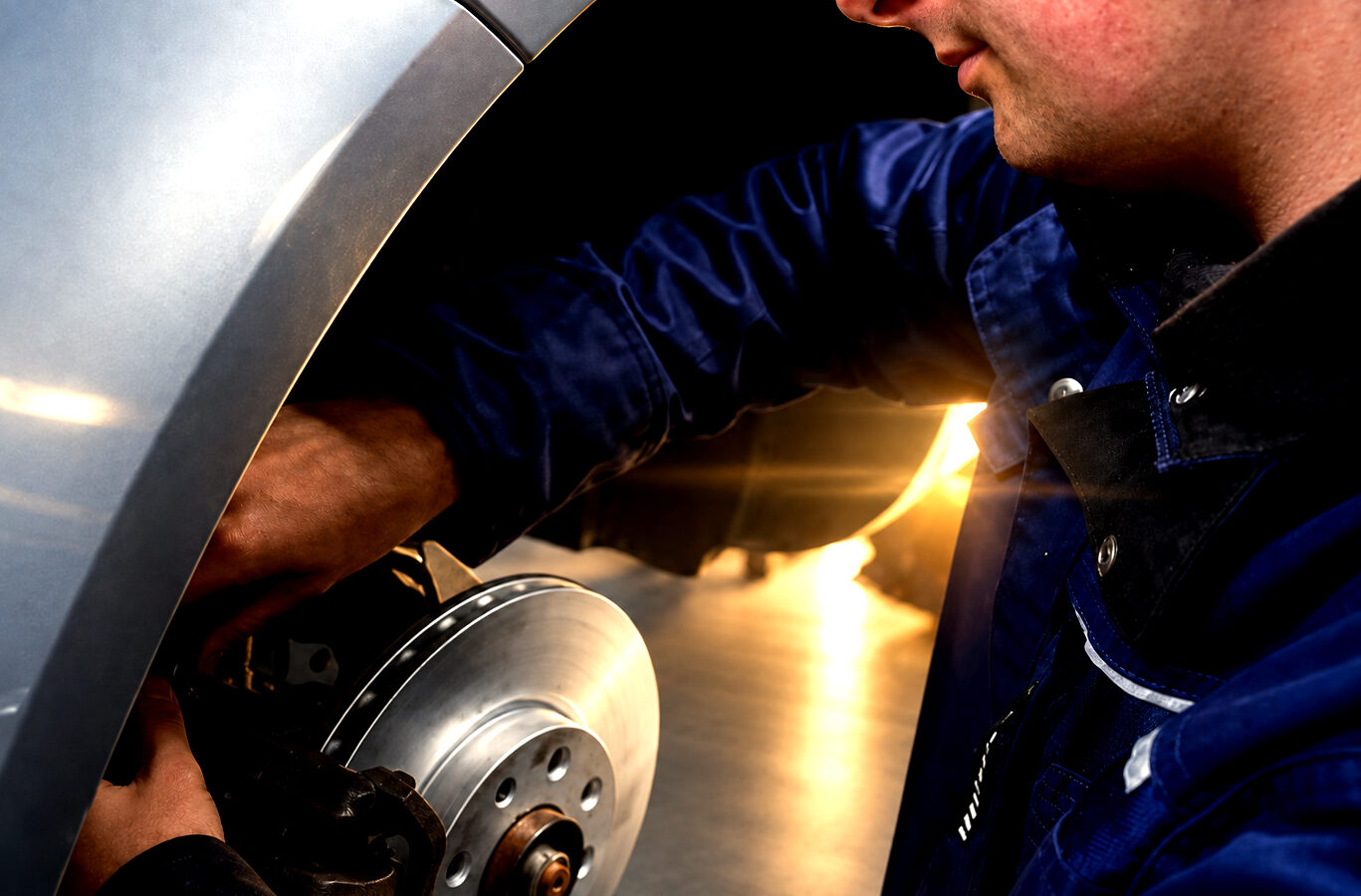
A brake inspection assesses the condition and operation of the components responsible for slowing and stopping the vehicle.
Depending on the vehicle and the reason for inspection, checks may include:
1. Brake pad thickness and condition
2. Brake disc thickness and surface condition
3. Brake shoes and drums where fitted
4. Brake callipers and slider mechanisms
5. Brake hoses and metal pipes
6. Brake fluid condition and level
7. Master cylinder
8. Wheel cylinders
9. Parking-brake operation
10. Electronic parking-brake system
11. Brake pad wear sensors
12. ABS warning lights and stored faults
13. Signs of fluid leakage
14. Uneven wear between wheels
15. Brake pedal condition and response
16. Road testing where safe and appropriate
Brake Repairs and Servicing Frequently Asked Questions
Signs Your Brakes Need Attention
Arrange a brake inspection if you notice:
1. Squealing or scraping noises
2. Grinding when braking
3. Reduced braking performance
4. The vehicle pulling to one side
5. Vibration through the brake pedal or steering wheel
6. A soft or spongy brake pedal
7. A pedal that travels unusually far
8. An unusually hard brake pedal
9. Brake or ABS warning lights
10. Increased stopping distance
11. A burning smell near a wheel
12. Brake fluid leaking beneath the vehicle
13. The parking brake failing to hold the vehicle
14. One wheel becoming unusually hot
15. Visible brake pad wear
16. Juddering under braking
These symptoms can have different causes. For example, vibration may be associated with disc runout, uneven friction deposits, worn suspension components or other faults. The vehicle should be inspected rather than diagnosing the problem from one symptom alone.


Brake Pad and Disc Replacement Cardiff
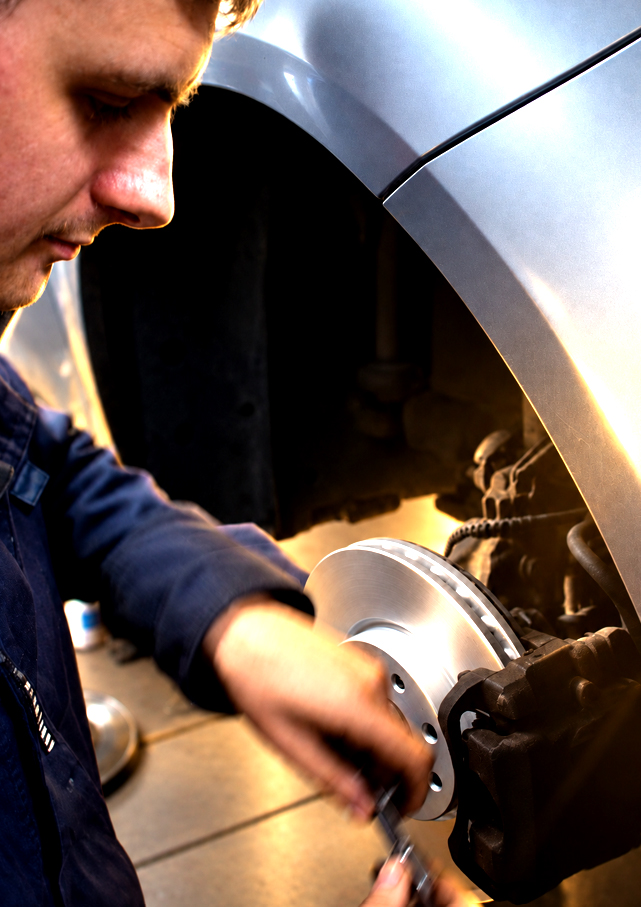
Brake pads create friction against the brake discs to slow the vehicle. Both components wear through use, although the rate of wear varies according to the vehicle, driving conditions, mileage and component quality.
During an inspection, the technicians can assess:
1. Remaining brake pad material
2. Uneven pad wear
3. Disc thickness
4. Disc scoring
5. Corrosion
6. Cracks or heat damage
7. Brake judder
8. Calliper operation
9. Condition of applicable wear sensors
Brake discs do not automatically require replacement every time the pads are renewed. Their condition and thickness should be assessed against the relevant specifications.
However, fitting new pads to badly worn, damaged or unsuitable discs may affect braking performance and shorten the life of the replacement pads.
Brake Fluid Replacement Cardiff
Brake fluid transfers force from the brake pedal through the hydraulic system. It is hygroscopic, meaning it can absorb moisture over time. Excess moisture can lower its boiling point and contribute to corrosion within braking components.
Brake fluid should be inspected and replaced according to the vehicle manufacturer’s recommendations. The correct specification must be used because different brake fluids are not automatically interchangeable.
A brake fluid service may include:
1. Checking the existing fluid
2. Confirming the correct fluid specification
3. Removing the old fluid
4. Refilling with fresh brake fluid
5. Bleeding the hydraulic system
6. Checking for leaks
7. Assessing pedal operation
8. Following vehicle-specific bleeding procedures where required
Hydraulic Brake Repairs
The hydraulic braking system uses brake fluid and pressure to operate the brakes at each wheel. A leak or component fault can reduce braking performance and must be investigated promptly.
A1 Diagnostics can inspect faults involving:
1. Brake master cylinders
2. Brake callipers
3. Wheel cylinders
4. Flexible brake hoses
5. Metal brake pipes
6. Hydraulic control units
7. Bleed screws and connections
8. Fluid leaks
9. Air within the hydraulic system
10. Soft or sinking brake pedals
A sinking pedal, visible fluid leak or sudden loss of braking performance requires urgent professional attention.

ABS Diagnostics and Repairs CardiffThe anti-lock braking system helps prevent the wheels from locking during heavy braking. Modern ABS systems work alongside traction control and electronic stability systems, using wheel-speed information and electronic control units.
If the ABS warning light remains illuminated, the system may have detected a fault. Possible causes include:
1. Wheel-speed sensor failure
2. Damaged sensor wiring
3. Corroded electrical connections
4. Damaged reluctor or magnetic encoder rings
5. Wheel-bearing faults
6. ABS control-unit faults
7. Hydraulic pump problems
8. Incorrect system voltage
9. Communication faults between control modules
A diagnostic trouble code provides a useful starting point but does not automatically confirm which component needs replacing. Proper testing may require live-data analysis, electrical measurements and a physical inspection.
Electronic Parking Brake RepairsMany modern vehicles use an electronic parking brake instead of a conventional handbrake lever. These systems can involve electric motors, switches, control units, sensors and software-controlled service procedures.
Depending on the vehicle, brake maintenance may require diagnostic equipment to place the electronic parking brake into its correct service position before rear brake components are replaced.
A1 Diagnostics can investigate problems such as:
1. Parking-brake warning messages
2. Parking brake failing to apply
3. Parking brake failing to release
4. Faulty switches
5. Actuator or motor problems
6. Wiring and communication faults
7. Rear brake calliper issues
8. Incorrect operation following brake replacement
Handbrake and Parking Brake RepairsA parking brake should hold the vehicle securely when applied. If the lever travels too far, the vehicle moves when parked or the brake does not release correctly, the system should be inspected.
Possible repairs can involve:
1. Handbrake cables
2. Parking-brake shoes
3. Rear brake callipers
4. Adjustment mechanisms
5. Levers and linkages
6. Electronic parking-brake components
7. Switches, motors and control systems
The correct repair depends on whether the vehicle uses a conventional mechanical handbrake or an electronic parking-brake system.

Brake Repairs Following an MOT FailureThe braking system is an important part of the MOT inspection. A vehicle may fail because of insufficient braking performance, excessive imbalance, damaged components, fluid leaks, warning lights or problems with the parking brake.
If your vehicle fails its MOT because of a braking defect, A1 Diagnostics can explain the failure and provide a quotation for the required repairs.
Common MOT-related brake repairs can include:
1. Brake pad replacement
2. Brake disc replacement
3. Brake pipe repairs
4. Brake hose replacement
5. Calliper repairs
6. Parking-brake adjustment or repair
7. ABS warning-light diagnosis
8. Brake fluid-related work
9. Drum and brake shoe replacement
Car and Van Brake Repairs CardiffA1 Diagnostics provides brake inspections and repairs for many makes and models of cars and suitable light commercial vehicles.
The components and procedures required can differ significantly between vehicles. Customers should provide their registration number when requesting a quotation so the workshop can identify the correct braking system and replacement parts.
Contact our established independent automotive repair centre
In this case, you will always be advised of any changes to the price before the work begins.
For ABS repair work on any make and model of car, please get in touch with our Cardiff-based team using the contact details below.
A1-Diagnostics and ECU Repairs
64 Sloper Road
Leckwith,
Cardiff
CF11 8AB
Tel: (029 20) 220380
Fax: (029 20) 223172
Opening Times
Mon – Fri: 8:00am – 6:00pm