

Call Us Now
02920 220 380
Opening Hours
Mon - Fri 8am - 6pm
64 Sloper Road, Cardiff,
CF11 8AB
ECU Repairs Cardiff
Vehicle ECU Repairs Cardiff
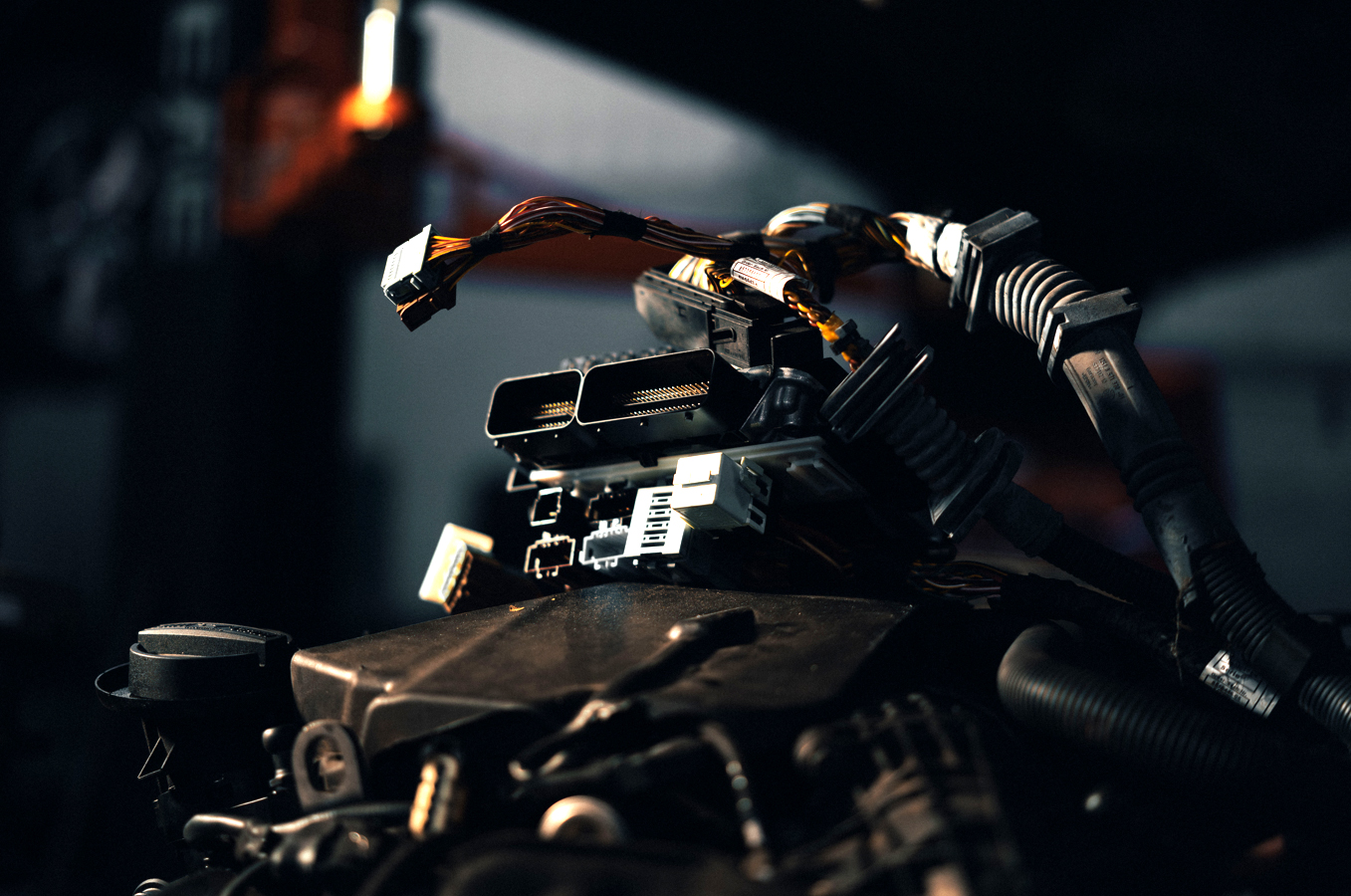
A1 Diagnostics provides professional ECU fault diagnosis, programming and repair solutions from our independent garage in Cardiff. If your vehicle has starting problems, warning lights, communication faults or an engine-management problem, our technicians can investigate whether the ECU or a connected component is responsible.
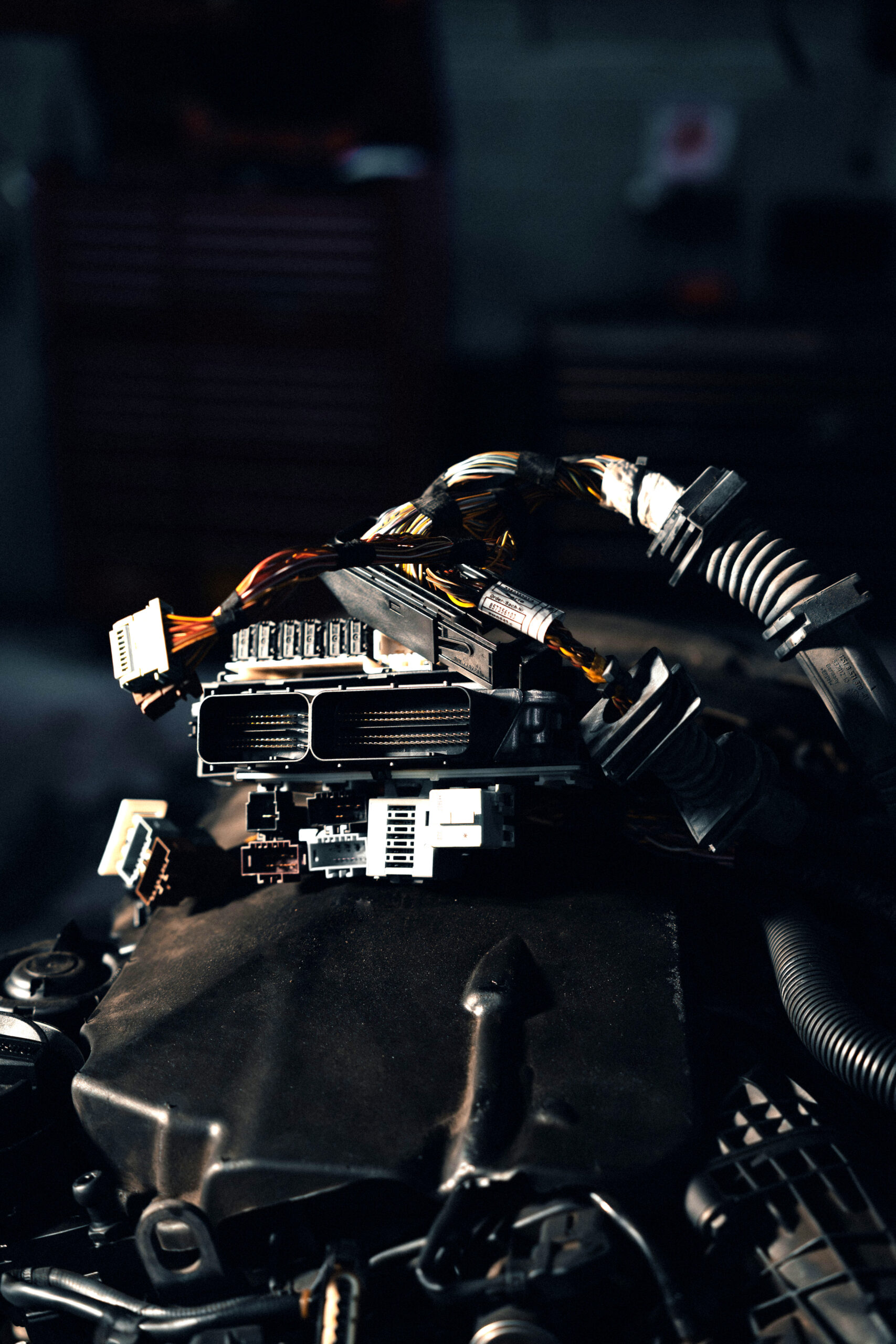
The engine control unit receives information from sensors and uses that data to manage functions such as fuel delivery, ignition, emissions systems and engine performance. However, symptoms that appear to indicate ECU failure can also be caused by damaged wiring, low voltage, faulty sensors, poor connections or communication problems.
Our Cardiff workshop combines diagnostic testing, vehicle electrical expertise and control-module programming to identify the underlying problem before an ECU repair or replacement is recommended.
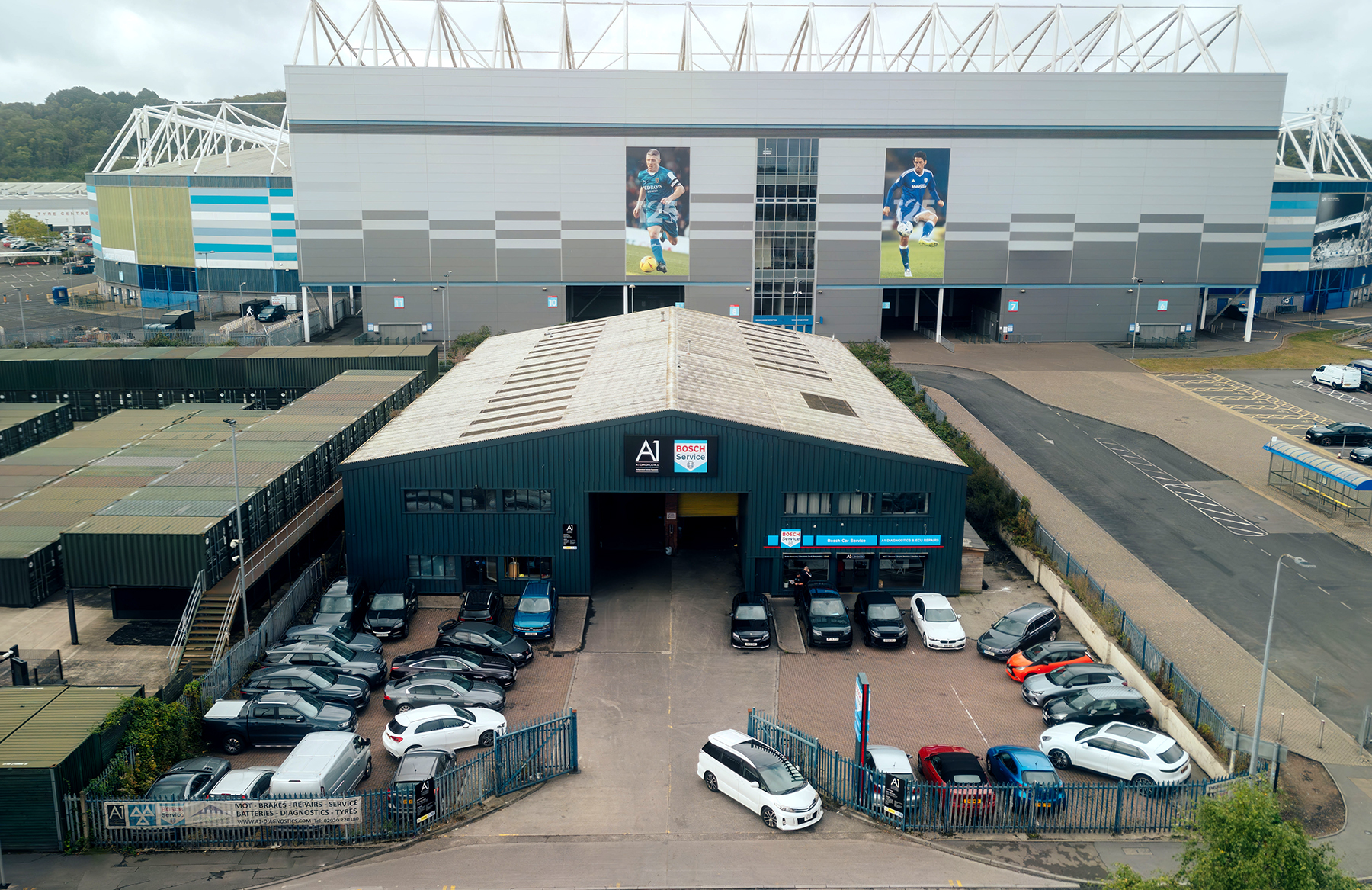
We are located on Sloper Road near Cardiff City Stadium, serving customers from Leckwith, Canton, Grangetown, Riverside, Ely, Fairwater and surrounding areas.

ECU Fault Diagnosis and Warning Signs
An ECU should not be declared faulty based only on a dashboard warning or diagnostic trouble code. A trouble code records a condition detected by the vehicle but may not identify the component responsible.
Before recommending ECU repair or replacement, the diagnostic process may include:
1. Reading diagnostic trouble codes
2. Analysing live vehicle data
3. Checking ECU power and ground supplies
4. Inspecting wiring and electrical connectors
5. Testing communication with other control modules
6. Measuring relevant sensor and actuator circuits
7. Checking vehicle-battery and charging voltage
8. Inspecting for water ingress or corrosion
9. Checking CAN bus and network communication
10. Reviewing previous repairs or module replacements
11. Confirming whether software or configuration is correct
12. Testing the vehicle after repair or programming
Possible signs of an ECU-related problem include:
1. Engine-management warning light
2. Engine failing to start
3. Engine cranking without starting
4. Intermittent starting problems
5. Misfiring or irregular engine operation
6. Reduced power or limp mode
7. Poor throttle response
8. Unexplained stalling
9. Cooling fan operating incorrectly
10. Loss of communication with the ECU
11. Multiple unrelated fault codes
12. Immobiliser or key-recognition problems
13. Failed emissions-related systems
14. Vehicle not operating correctly after ECU replacement
These symptoms do not prove the ECU has failed. For example, a loss of communication could result from damaged wiring, a blown fuse, low voltage, poor grounding or a wider network fault.
ECU Repairs and Servicing Frequently Asked Questions
Common causes of ECU problems can include:
1. Water ingress
2. Internal electronic component failure
3. Voltage spikes
4. Incorrect jump-starting
5. Reverse polarity
6. Short circuits
7. Damaged wiring
8. Corroded connectors
9. Excessive heat or vibration
10. Previous programming failure
11. Accident or flood damage
12. Faulty connected components
If the ECU problem followed a battery change, jump-start, water leak, collision repair or previous programming attempt, tell A1 Diagnostics when making your booking.
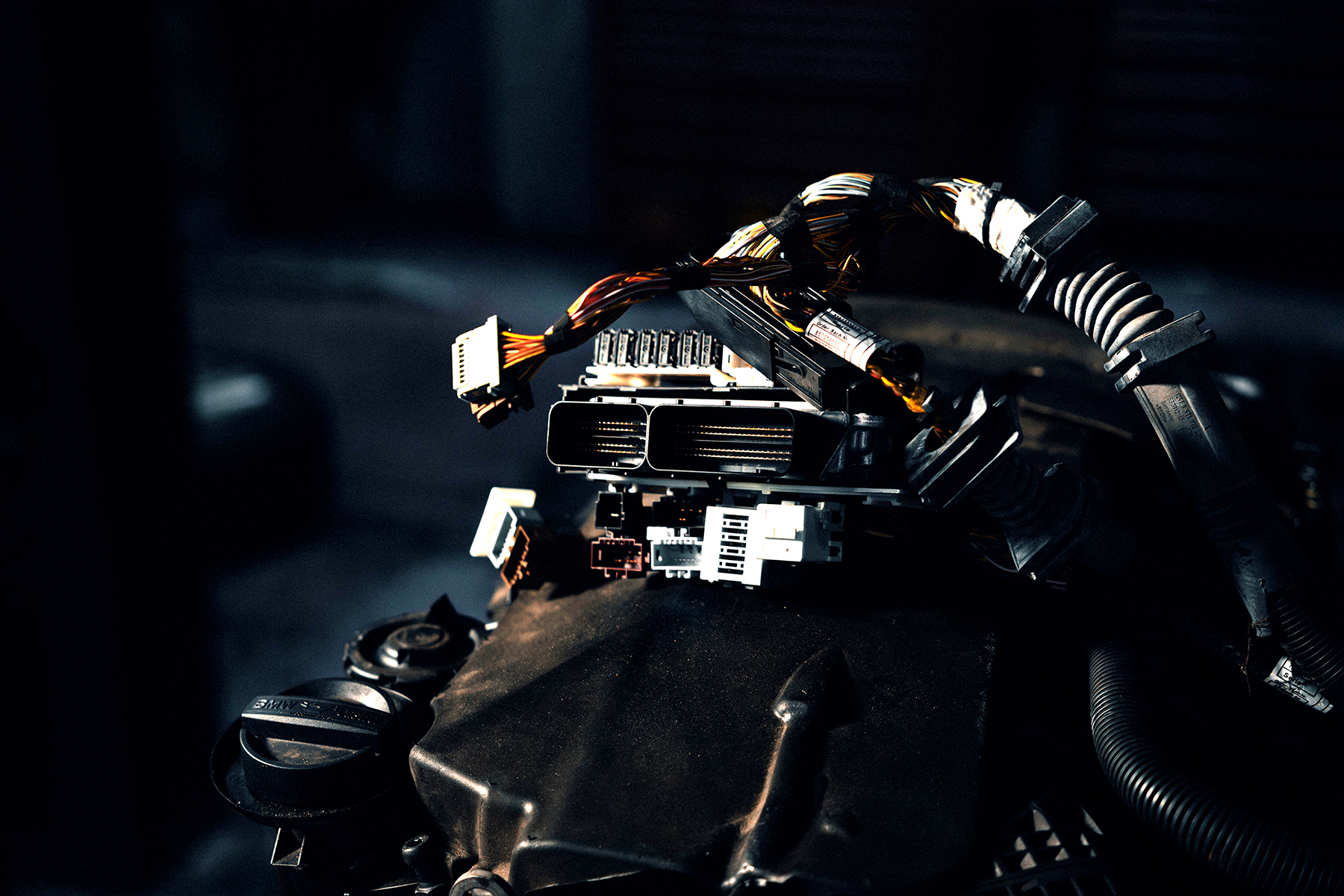
ECU Repair, Programming, Cloning and Replacement
Once the diagnostic checks have established the likely cause, A1 Diagnostics can explain the appropriate repair or programming solution. The correct option depends on the vehicle, ECU type, condition of the original unit and availability of replacement components.
ECU repair
ECU repair involves investigating and correcting a fault within the original control unit where a safe and reliable repair is possible. The unit should be tested and the original vehicle fault confirmed before repair is recommended.
ECU programming
Programming installs or updates software within an ECU. It may be required when fitting certain replacement units, completing a manufacturer update or restoring the correct software following a previous problem.
ECU coding and configuration
Coding configures a control unit so that it recognises the vehicle’s equipment and operates correctly within that vehicle. Coding and software programming are related procedures, but they are not necessarily the same process.
ECU cloning
ECU cloning transfers compatible data from an original unit to a suitable replacement. Depending on the vehicle, this data may include identification, configuration and immobiliser-related information.
Cloning is not suitable for every ECU. The original unit must also contain readable and usable data.
Replacement ECU installation
A new, used or remanufactured ECU may require programming, coding, configuration and immobiliser synchronisation before the vehicle will start or operate correctly. A used ECU is not automatically a plug-and-play replacement.
Potential services may include:
1. ECU fault diagnosis
2. ECU testing and repair
3. Software programming
4. ECU coding and configuration
5. ECU data transfer or cloning
6. Replacement ECU programming
7. Immobiliser synchronisation
8. Module adaptation
9. Software updates where supported
10. Recovery following an interrupted programming procedure
11. Wiring and connector repairs
12. Final diagnostic scanning and functional testing
Contact us for ECU Repairs
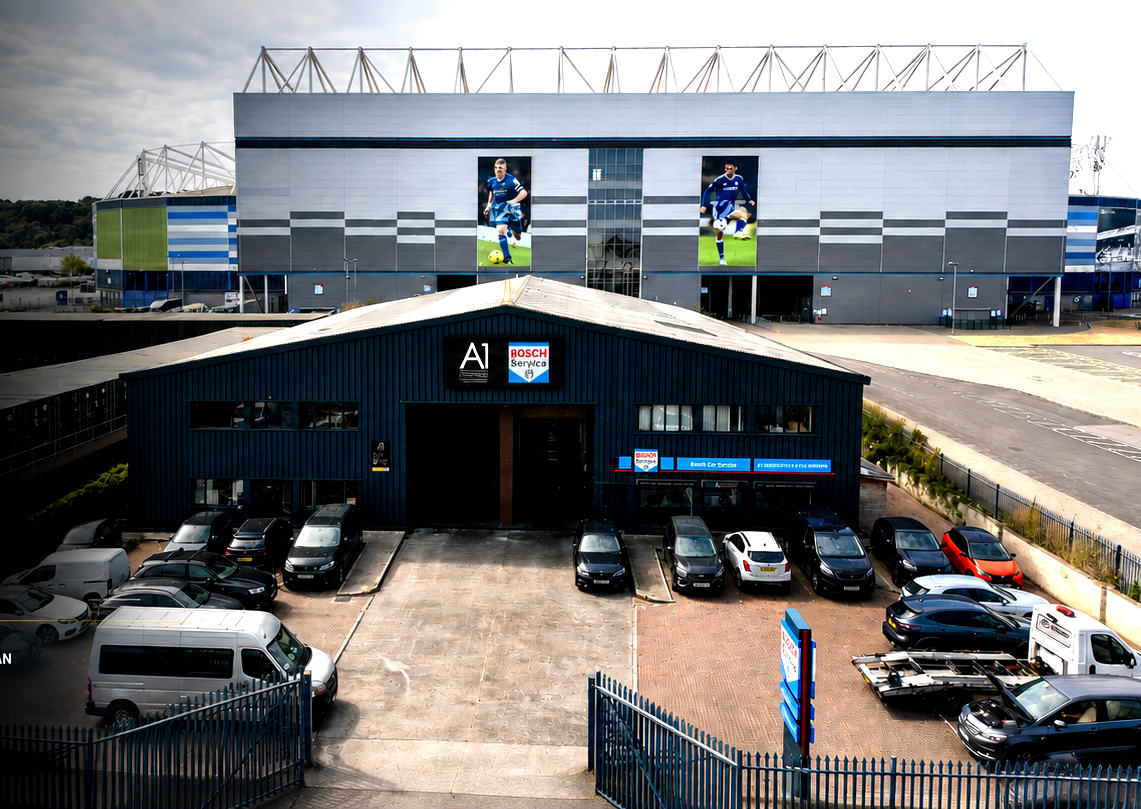
Contact us to book your vehicle in with Cardiff’s best Bosch ECU repair specialists, please use the contact details below.
A1-Diagnostics and ECU Repairs
64 Sloper Road
Leckwith,
Cardiff
CF11 8AB
Tel: (029 20) 220380
Fax: (029 20) 223172
Opening Times
Mon – Fri: 8:00am – 6:00pm