

Call Us Now
02920 220 380
Opening Hours
Mon - Fri 8am - 6pm
64 Sloper Road, Cardiff,
CF11 8AB
Car Key Coding Cardiff
Vehicle Key Coding Cardiff
A1 Diagnostics provides professional vehicle key coding and programming from our independent garage in Cardiff. Whether you need an additional key programmed, a replacement key matched to your vehicle or help with a key-not-recognised problem, our technicians can assess the vehicle and explain the available options.
Modern vehicle keys can contain a transponder chip that communicates with the immobiliser system. The vehicle must recognise the correct security information before it allows the engine to start. Remote-locking buttons and the immobiliser transponder may also operate separately, so a key can unlock the doors but still fail to start the engine.
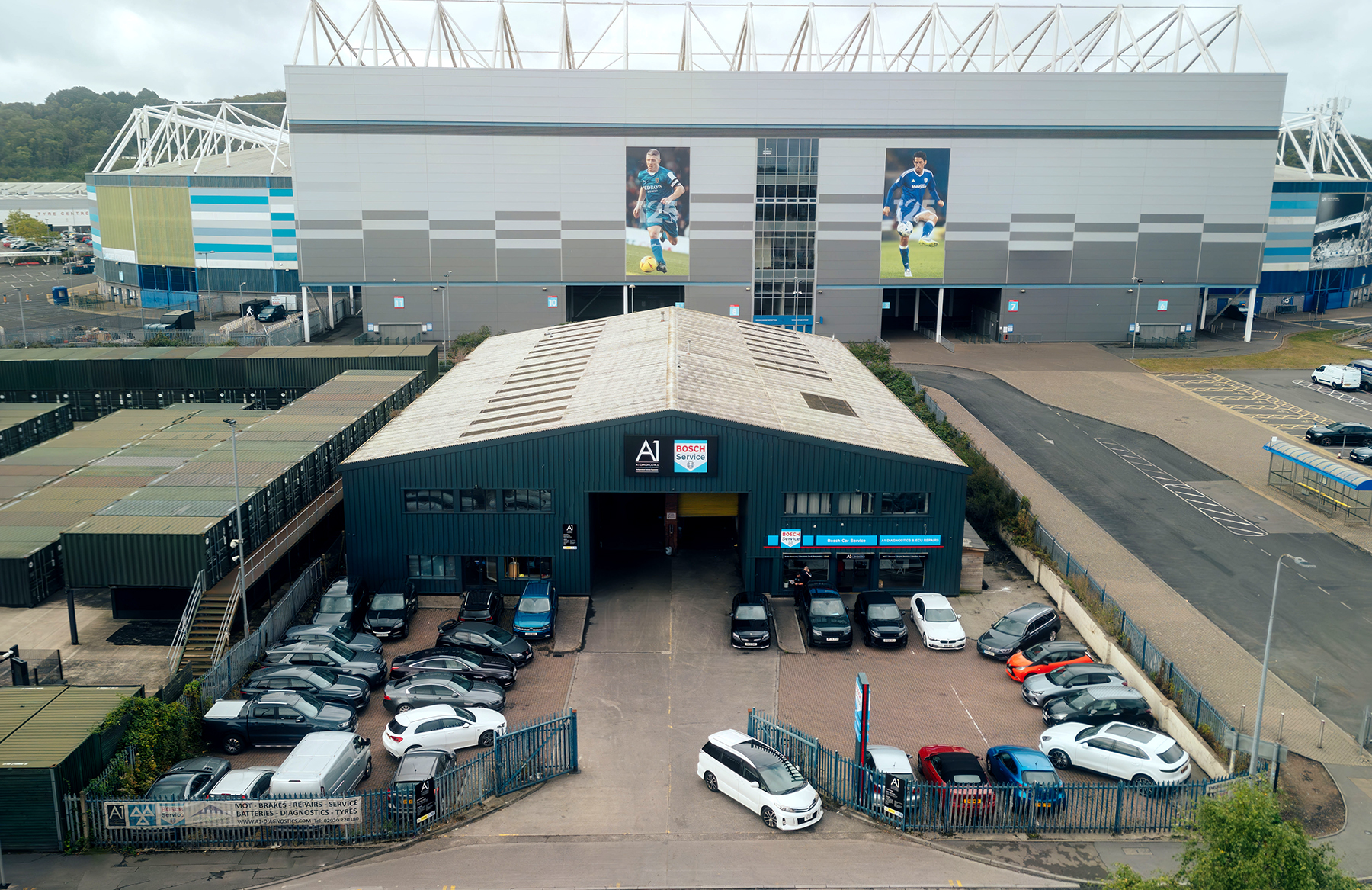
Our workshop is located on Sloper Road near Cardiff City Stadium, serving customers from Leckwith, Canton, Grangetown, Riverside, Ely, Fairwater and surrounding areas.
For vehicle-security reasons, customers must provide proof of identity and evidence that they own or are authorised to manage the vehicle.

Car Key Programming and Fault Diagnosis
Key programming matches an authorised key or transponder to the vehicle’s immobiliser and security system. The exact procedure depends on the manufacturer, model, age and type of key.
A1 Diagnostics may be able to help with:
1. Programming an additional vehicle key
2. Matching a replacement key to the immobiliser
3. Transponder key programming
4. Remote-control programming
5. Smart and proximity key programming where supported
6. Keyless-start system diagnosis
7. Key-not-recognised faults
8. Immobiliser synchronisation
9. Reprogramming following control-module replacement
10. Removing lost or stolen keys from the authorised list where supported
11. ECU, immobiliser or body control module synchronisation
12. Testing existing keys and vehicle security systems
Possible signs of a key-coding or immobiliser problem include:
1. “Key not detected” message
2. “Key not recognised” warning
3. Immobiliser light remaining illuminated
4. Security light flashing
5. Engine cranking without starting
6. Engine starting and then stopping
7. Vehicle starting with one key but not another
8. Remote buttons failing to operate
9. Keyless entry or push-button start not working
10. A replacement key unlocking the vehicle but not starting it
11. Problems following battery or control-module replacement
These symptoms do not always mean the key needs programming. Possible causes can include:
1. A damaged key transponder
2. Flat remote-control battery
3. Low vehicle-battery voltage
4. Faulty immobiliser reader or antenna
5. Damaged wiring or electrical connections
6. Signal interference
7. Incorrect or incompatible replacement key
8. Immobiliser control-unit fault
9. ECU or body control module communication problem
10. Loss of synchronisation between security modules

Key Coding Frequently Asked Questions


Replacement, Spare and Lost-Key Programming
The correct key-coding procedure depends on the customer’s circumstances and the vehicle’s security system.
Spare key programming
Programming a spare key provides an additional authorised key for the vehicle. Arranging this while a working key is still available can be simpler than dealing with an all-keys-lost situation.
Replacement-key programming
A replacement key must be compatible with the vehicle before it can be programmed. The key’s appearance alone does not confirm compatibility; the transponder type, frequency, electronics and vehicle system must also be correct.
Customers should contact A1 Diagnostics before purchasing a key online. Some second-hand, locked or unsuitable keys cannot be successfully programmed to another vehicle.
Lost or stolen keys
Where the vehicle supports the procedure, a lost or stolen key may be removed from the authorised-key list so it can no longer be used to start the engine.
Removing its electronic authorisation does not necessarily prevent a physical key blade from opening a mechanical door lock. Customers should ask what additional security measures may be appropriate.
All keys lost
An all-keys-lost situation may require a different process from adding a spare key. Capability depends on the vehicle, available security access and whether the vehicle can be transported to the Cardiff workshop.
Remote and transponder programming
The remote-control buttons and immobiliser transponder can be separate systems. Programming the remote locking does not automatically mean that the key has been authorised to start the engine.
Contact our established independent automotive repair centre

For more information on our key coding services get in touch.
A1-Diagnostics and ECU Repairs
64 Sloper Road
Leckwith,
Cardiff
CF11 8AB
Tel: (029 20) 220380
Fax: (029 20) 223172
Opening Times
Mon – Fri: 8:00am – 6:00pm