

Call Us Now
02920 220 380
Opening Hours
Mon - Fri 8am - 6pm
64 Sloper Road, Cardiff,
CF11 8AB
Vehicle Electrical Diagnostics Cardiff
Vehicle Electrical Fault Diagnostics Cardiff
A1 Diagnostics provides professional vehicle electrical fault diagnosis and repairs from our independent garage in Cardiff. We investigate starting problems, warning lights, battery drain, damaged wiring, faulty sensors, lighting problems and communication faults affecting modern vehicle systems.
Electrical problems can be intermittent and may involve wiring, connectors, control modules, sensors, switches, power supplies or software. Our technicians use diagnostic equipment, electrical measurements and physical inspections to identify the underlying cause before recommending repairs.
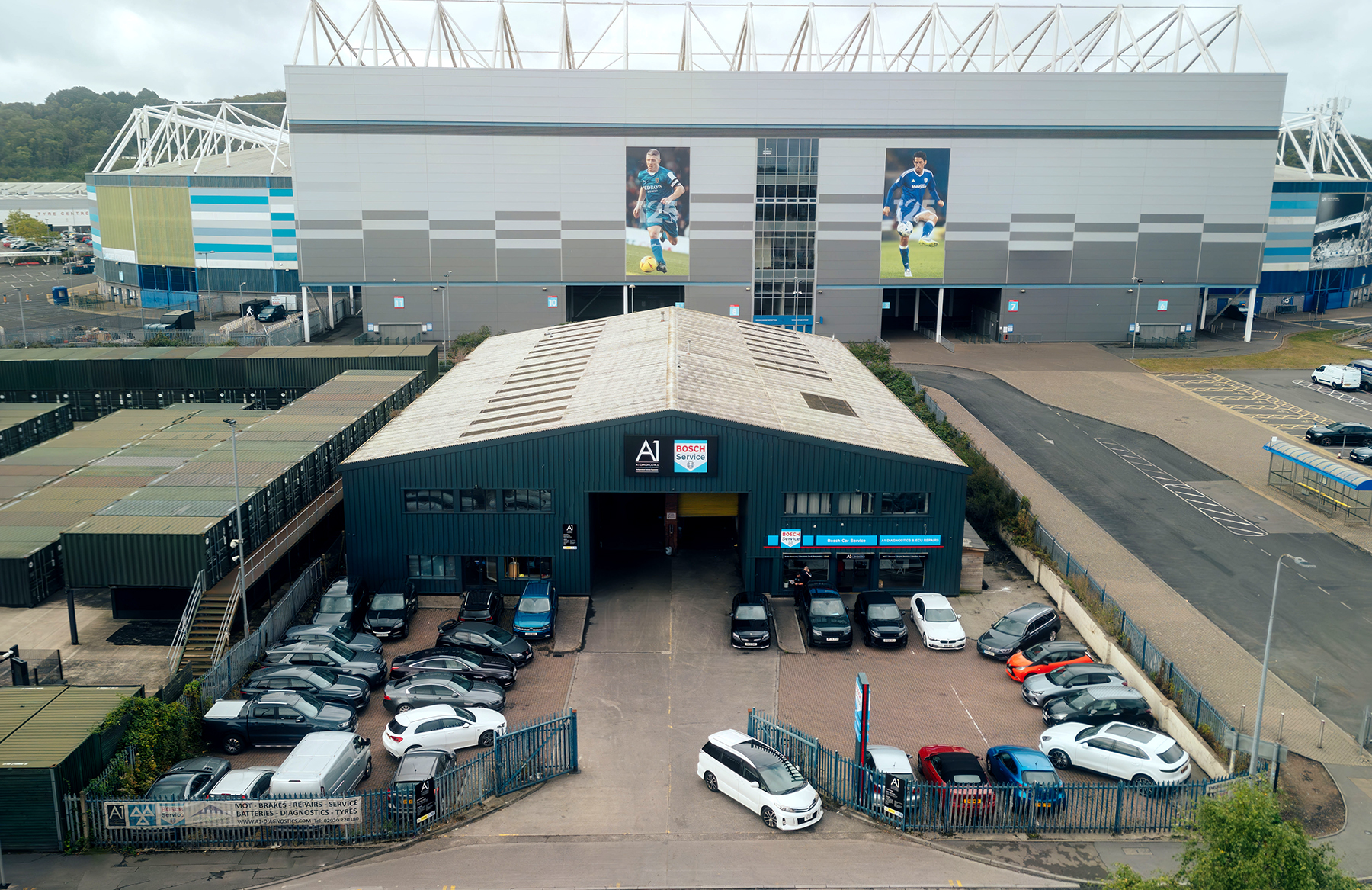
Our workshop is located on Sloper Road near Cardiff City Stadium, serving motorists from Leckwith, Canton, Grangetown, Riverside, Ely, Fairwater and communities throughout Cardiff.
Vehicle Electrical Diagnostics Frequently Asked Questions
Electrical Fault Diagnosis and Warning Signs
Modern vehicles contain interconnected electrical and electronic systems controlling the engine, transmission, braking, steering, lighting, security, comfort and driver-assistance functions. A fault in one circuit can sometimes affect several systems or produce multiple dashboard warnings.
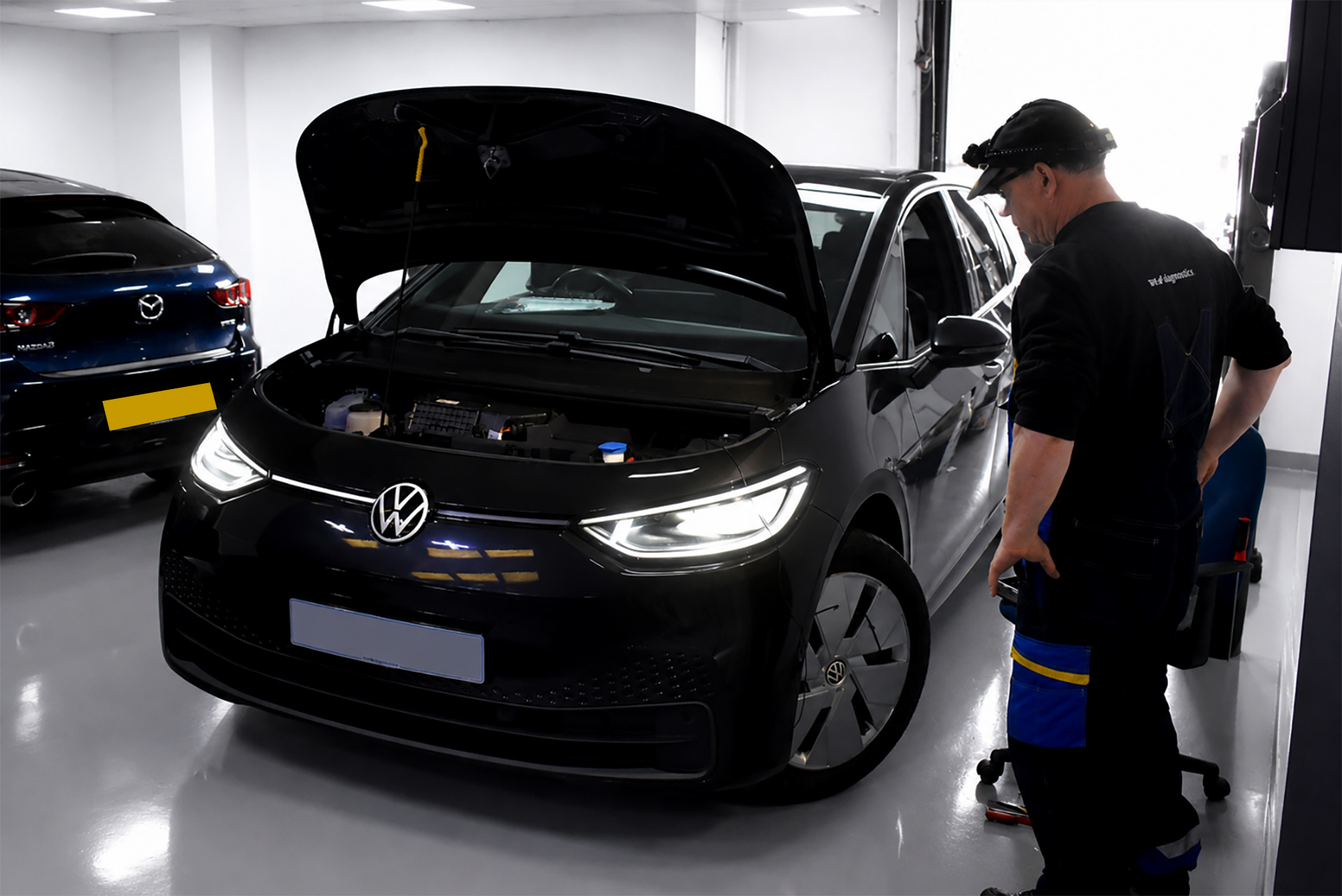
A1 Diagnostics takes a structured approach to electrical fault finding. Depending on the vehicle and symptoms, testing may include:
1. Diagnostic trouble-code scanning
2. Live-data analysis
3. Battery and charging-system tests
4. Voltage-drop measurements
5. Circuit continuity and resistance testing
6. Fuse and relay inspection
7. Wiring and connector checks
8. Power and ground testing
9. Parasitic battery-drain testing
10. Sensor and actuator testing
11. Control-module communication checks
12. CAN bus and vehicle-network diagnosis
13. Testing after previous repairs or component replacement
Arrange electrical diagnostics if you notice:
1. One or more dashboard warning lights
2. Intermittent starting problems
3. A battery repeatedly becoming flat
4. Lights flickering or failing
5. Electrical equipment working intermittently
6. Central locking or electric windows malfunctioning
7. Unexplained warning messages
8. Blown fuses
9. A burning smell or signs of overheated wiring
10. Problems following water ingress
11. Several vehicle systems failing together
12. A control module not communicating
13. The vehicle entering reduced-power or limp mode
14. Electrical faults following accident repairs
15. Recently fitted components not operating correctly
These symptoms can have several possible causes. For example, a flat battery may result from an old battery, an alternator problem, excessive electrical drain, wiring damage or a control module failing to enter sleep mode.
A warning light identifies the system in which a problem has been detected; it does not necessarily identify the component that needs replacing.
Safety Notice:
If you notice smoke, burning insulation, overheated wiring or repeated fuse failure, stop using the vehicle and obtain professional advice.

Once the fault has been identified, A1 Diagnostics can explain the available repair, replacement, coding or programming options. The required work depends on the vehicle and the electrical system involved.
Electrical services may include:
1. Wiring-harness repairs
2. Damaged connector repairs
3. Power and ground circuit repairs
4. Fuse and relay faults
5. Battery drain investigation
6. Battery and alternator testing
7. Starter-motor circuit diagnosis
8. Sensor and actuator testing
9. Lighting and indicator faults
10. Electric window and central-locking faults
11. Immobiliser and key-recognition diagnosis
12. ECU and control-module diagnosis
13. Replacement-module coding and programming
14. Communication and CAN bus faults
15. Parking-sensor and camera faults
16. Electrical faults following collision repairs
17. Trailer-electrical problems where supported
18. Electrical problems affecting suitable cars and vans
Replacing a control module, sensor or electrical component without proper testing can be expensive and may not solve the problem. Some replacement modules also require programming, configuration or calibration before they will operate correctly.
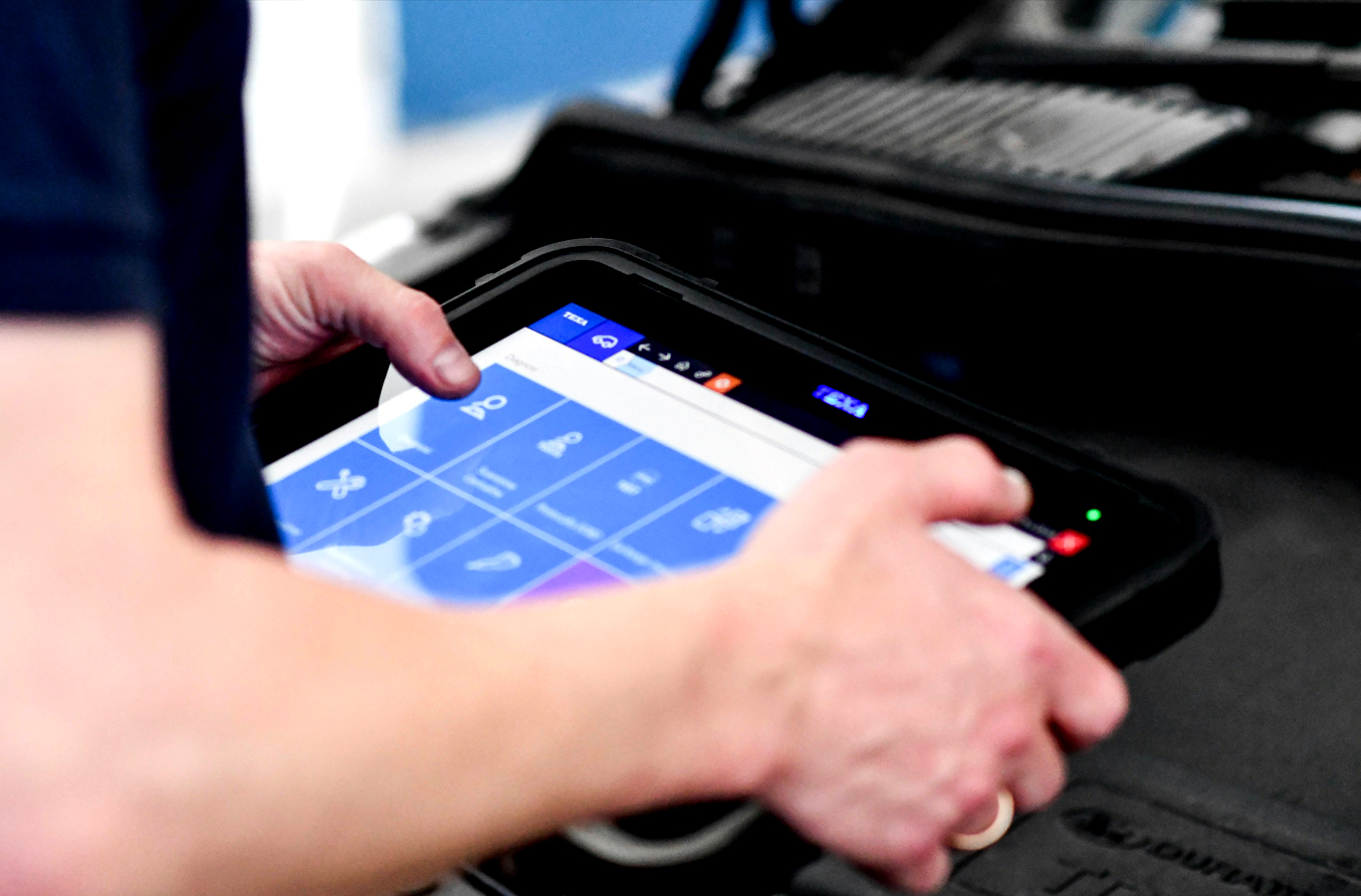
How do you know if there’s a problem?
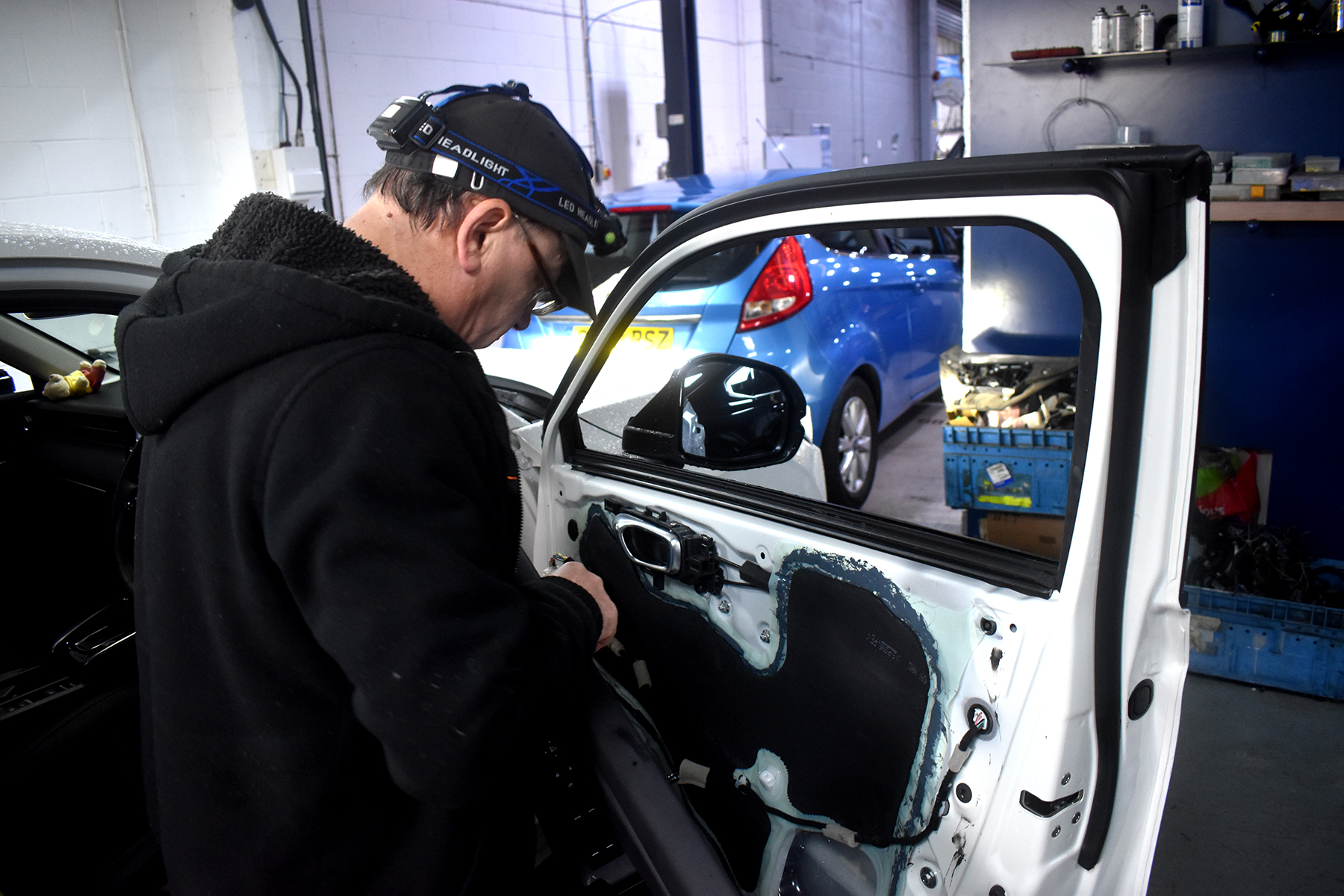
Electrical faults can be caused by an issue with the engine control unit (ECU) or the many sensors and wiring located throughout the engine and vehicle; however, electrical problems can also originate from the battery, alternator or starter.
You should get your vehicle looked at by an auto electrician immediately if:
• Your vehicle won’t start – you turn the key and hear clicking, grinding or no sound at all
• Your engine light is on
• Your interior lights or dashboard lights do not illuminate properly
• Your headlights dim while you’re travelling at low speed
• Your vehicle runs well but the brake lights don’t work
Contact our established independent automotive repair centre
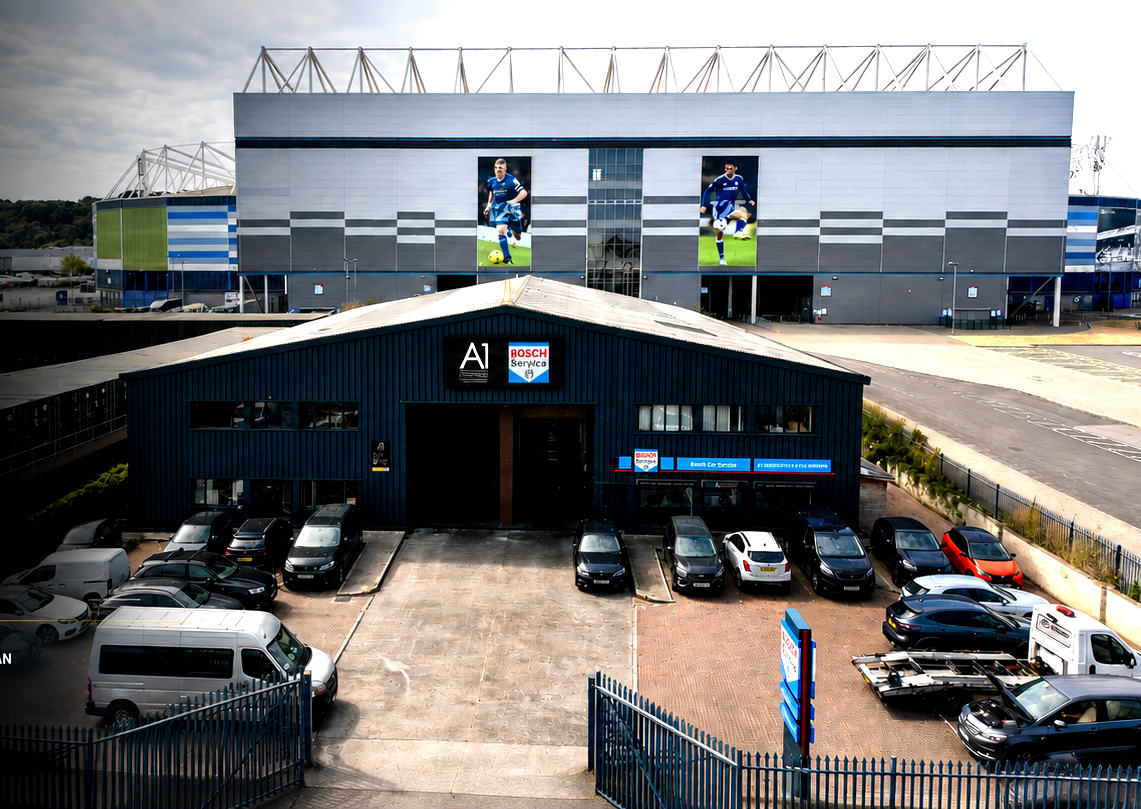
Contact us to book your vehicle in for our fault finding and car electrical repairs service using the contact details below.
A1-Diagnostics and ECU Repairs
64 Sloper Road
Leckwith,
Cardiff
CF11 8AB
Tel: (029 20) 220380
Fax: (029 20) 223172
Opening Times
Mon – Fri: 8:00am – 6:00pm