

Call Us Now
02920 220 380
Opening Hours
Mon - Fri 8am - 6pm
64 Sloper Road, Cardiff,
CF11 8AB
ADAS Calibration Cardiff
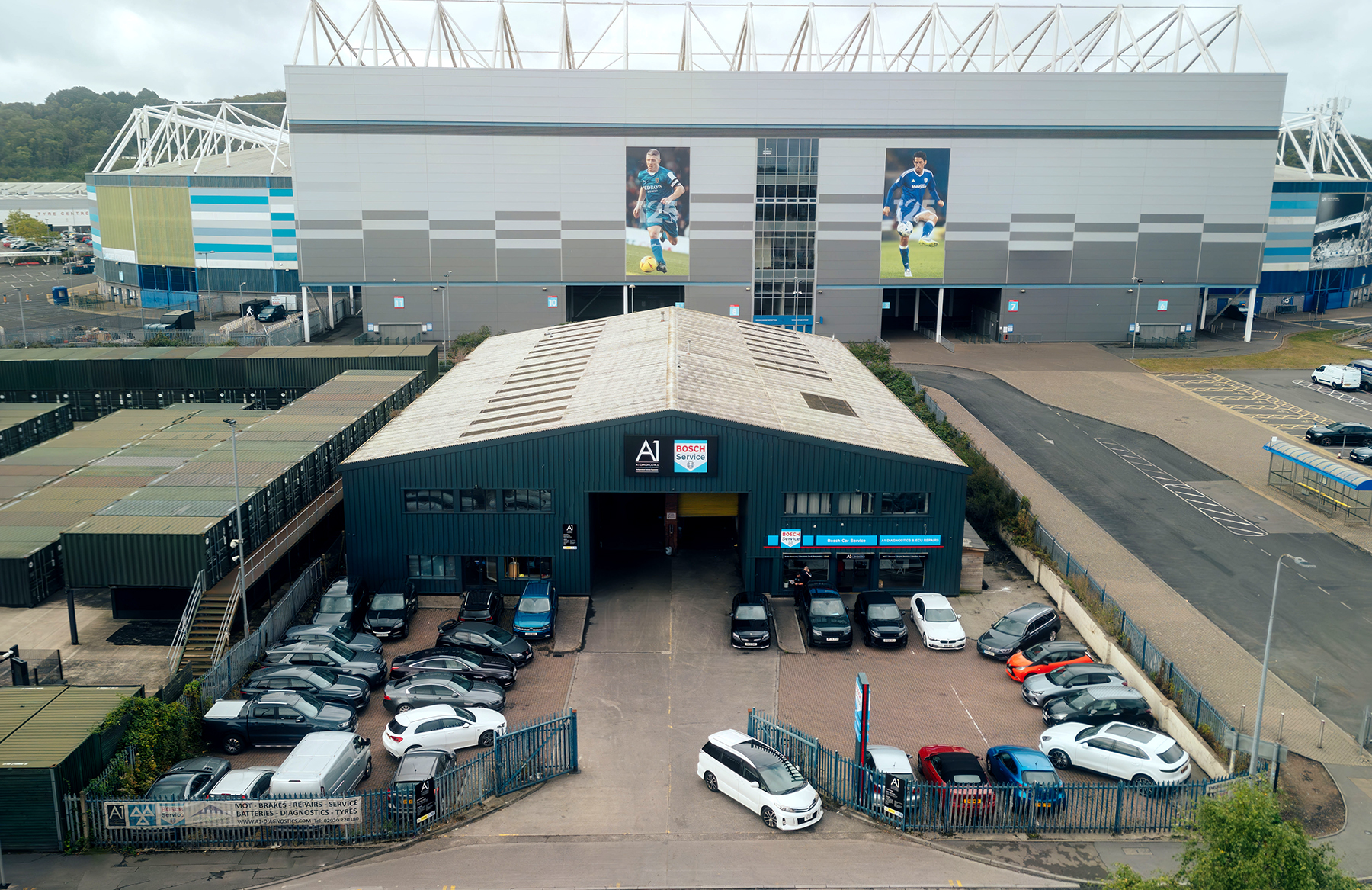
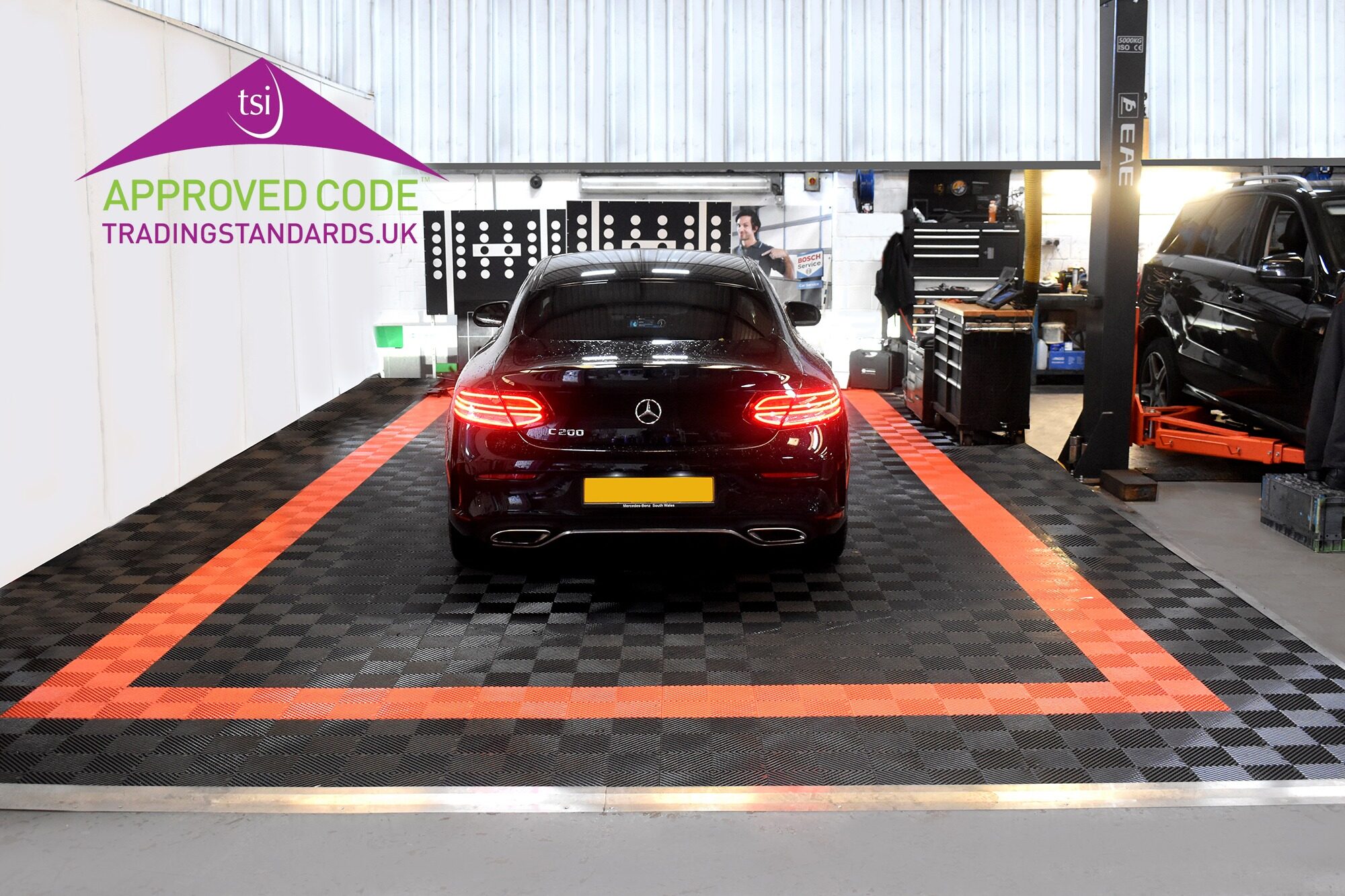
A1 Diagnostics provides professional ADAS calibration for cars and suitable light commercial vehicles from our specialist workshop in Cardiff. We can calibrate cameras, radar sensors and other supported driver-assistance systems following windscreen replacement, collision repair, wheel-alignment work, suspension repairs or component replacement.
Advanced driver-assistance systems can support features such as autonomous emergency braking, adaptive cruise control, lane-departure warning, lane-keeping assistance, traffic-sign recognition and parking assistance. These systems rely on sensors being correctly positioned and calibrated.
A sensor may appear only slightly misaligned, but even a small change in its position can affect how the system interprets the road and surrounding traffic. Calibration must therefore be completed according to the applicable manufacturer procedure.
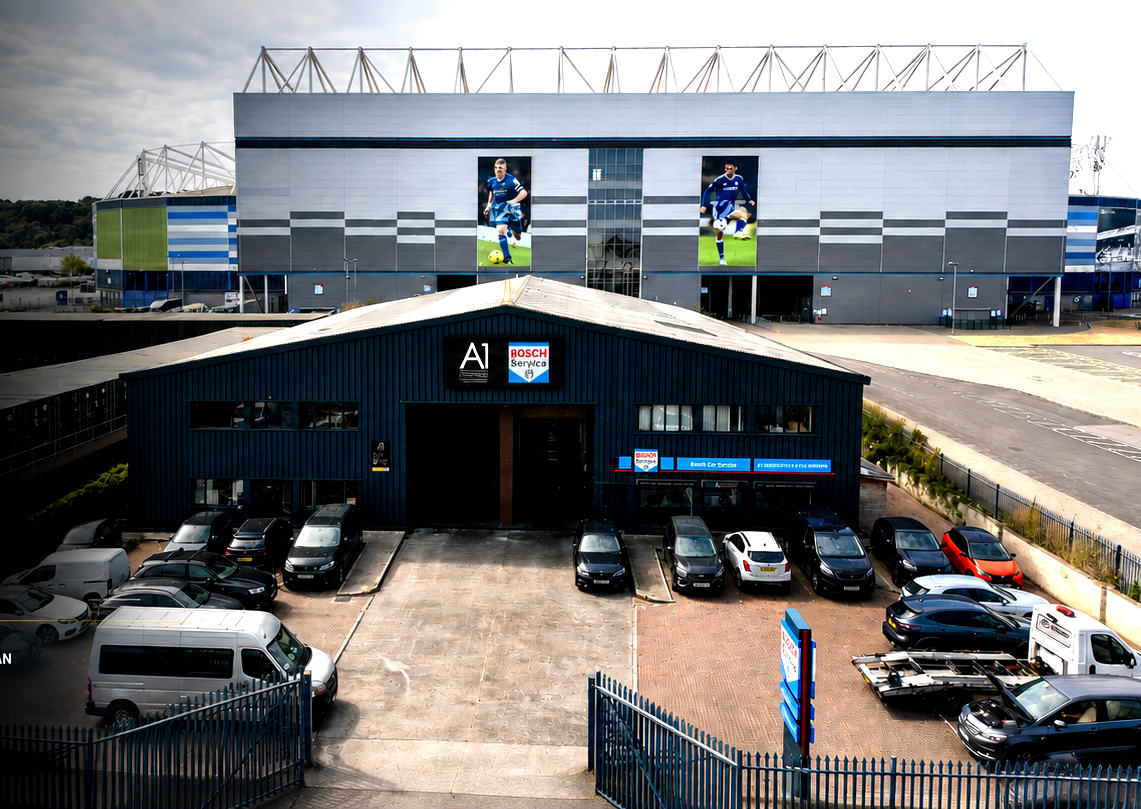
Our workshop is located on Sloper Road near Cardiff City Stadium, serving motorists, garages, bodyshops, accident repair centres and windscreen companies throughout Cardiff and South Wales.
When Does a Vehicle Need ADAS Calibration?
ADAS calibration may be required whenever work or damage changes the position of a camera, radar sensor, vehicle body or suspension component used as a reference by the system.
Calibration requirements vary between manufacturers and models, but common reasons include:
1. Windscreen replacement
2. Forward-facing camera removal or replacement
3. Radar sensor removal or replacement
4. Front bumper removal or repair
5. Collision or accident damage
6. Bodyshop repairs
7. Wheel alignment or geometry adjustment
8. Steering or suspension repairs
9. Ride-height changes
10. Replacement of certain control modules
11. Camera or radar mounting-bracket repairs
12. ADAS warning lights or error messages
13. Manufacturer software updates
14. Vehicle modification
15. Calibration failure during previous work
16. Manufacturer instructions following diagnostic procedures
Possible signs of an ADAS problem include:
1. ADAS warning light
2. “Camera unavailable” message
3. “Radar obstructed” warning that does not clear
4. Lane-assistance system behaving unexpectedly
5. Adaptive cruise control becoming unavailable
6. Autonomous emergency-braking warning
7. Traffic-sign recognition working incorrectly
8. Driver-assistance features switching themselves off
9. Calibration-related diagnostic trouble codes
10. System problems following windscreen or collision repairs
A warning does not automatically mean that calibration alone will resolve the problem. The cause could involve damaged wiring, an incorrectly positioned sensor, a mounting-bracket fault, low voltage, software, communication problems or physical sensor damage.
ADAS Calibration Frequently Asked Questions

Static and Dynamic ADAS Calibration
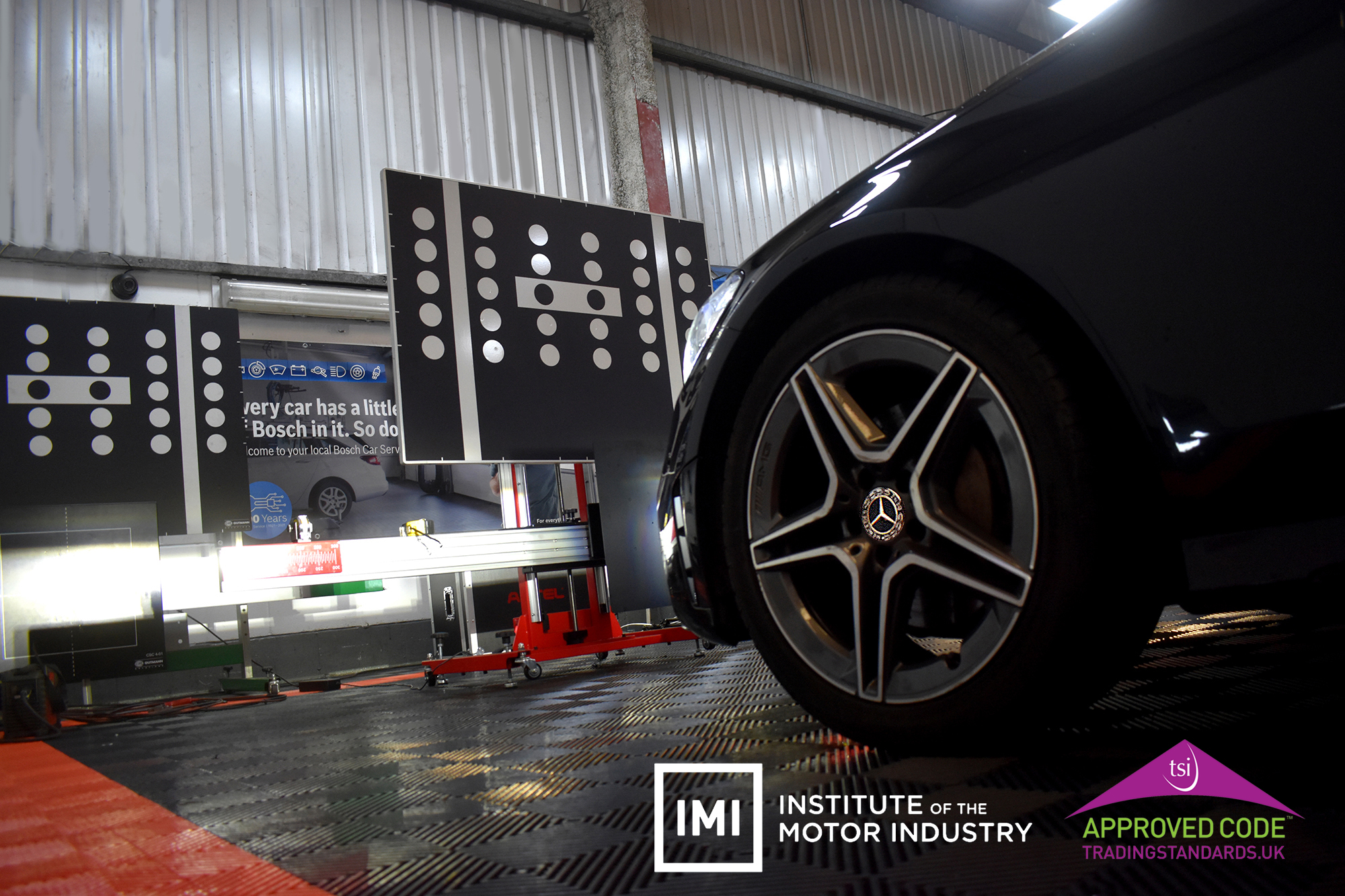
The calibration method is determined by the vehicle manufacturer. Depending on the system, a vehicle may require static calibration, dynamic calibration or a combination of both.
Static ADAS calibration
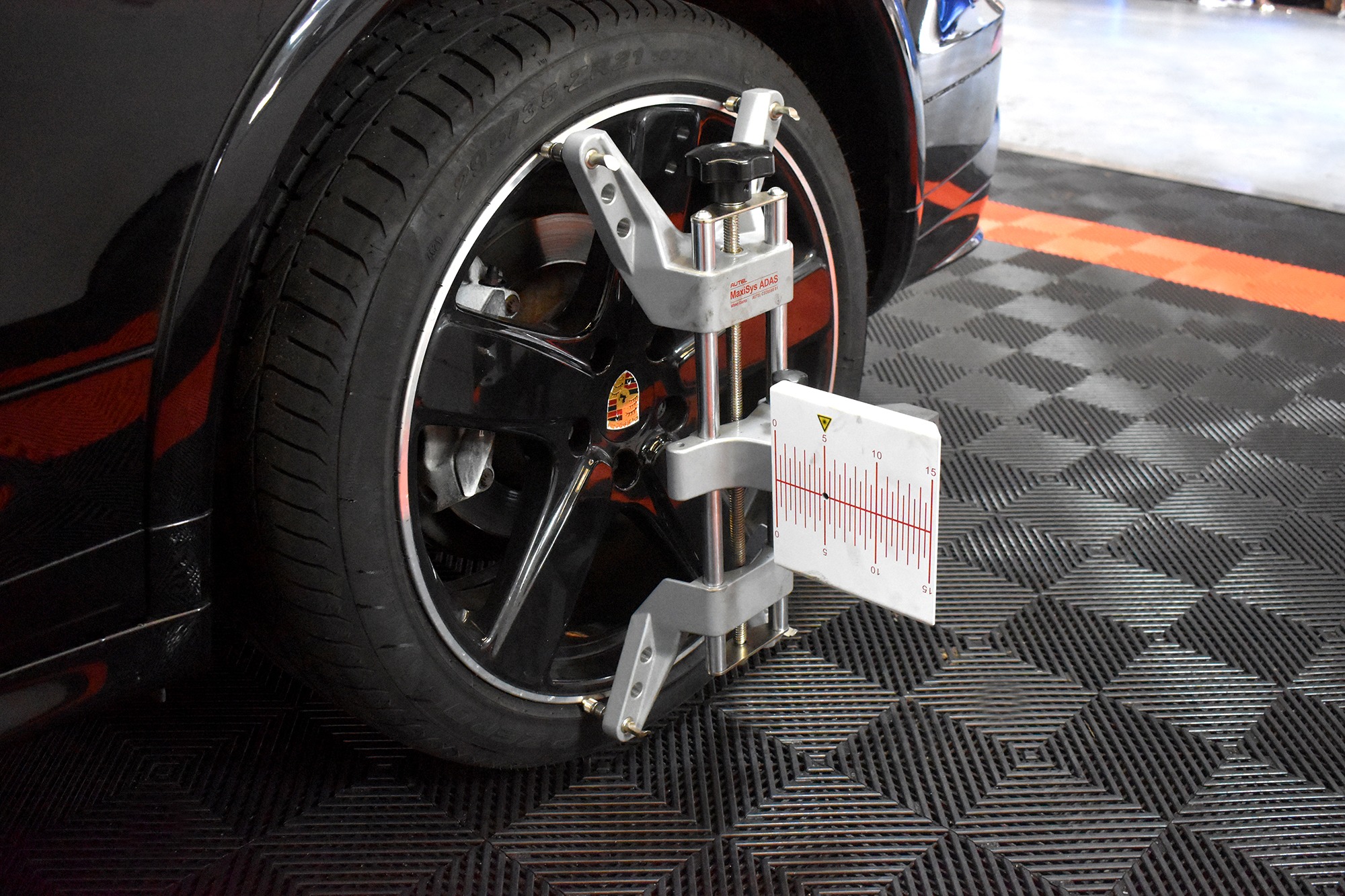
Static calibration is performed with the vehicle stationary in a controlled workshop environment. Vehicle-specific targets, boards or reflectors are positioned at precise distances and angles relative to the vehicle.
The process may require:
1. A level and suitable calibration area
2. Correct tyre pressures
3. Specified fuel and vehicle-loading conditions
4. Wheel and steering alignment checks
5. Accurate measurement and target positioning
6. Diagnostic equipment
7. Manufacturer-specific calibration instructions
8. A final diagnostic scan and calibration report
Dynamic ADAS calibration
Dynamic calibration is carried out by driving the vehicle under specified road conditions while diagnostic equipment initiates or monitors the calibration process.
The procedure can depend on:
1. Vehicle speed
2. Road markings
3. Traffic conditions
4. Weather and visibility
5. Journey duration
6. Road type
7. Manufacturer instructions
A dynamic calibration may not be possible when road or weather conditions do not meet the vehicle manufacturer’s requirements.
Combined calibration
Some vehicles require both static and dynamic procedures. Completing only one part may leave the calibration incomplete.
ADAS systems that may require calibration
Depending on the vehicle and equipment available, A1 Diagnostics may be able to calibrate systems involving:
1. Forward-facing cameras
2. Front radar sensors
3. Lane-departure warning
4. Lane-keeping assistance
5. Adaptive cruise control
6. Autonomous emergency braking
7. Traffic-sign recognition
8. Blind-spot monitoring
9. Surround-view cameras
10. Parking cameras and sensors
11. Night-vision or lidar systems where supported
Only advertise calibration for systems, manufacturers and vehicles that A1 Diagnostics currently supports. Do not describe an ADAS reset, fault-code deletion or diagnostic scan as a completed calibration.
Once the required procedure has been confirmed, A1 Diagnostics will prepare the vehicle, complete the applicable calibration and check the system for relevant faults. If damage, incorrect alignment or another problem prevents successful calibration, we will explain the findings before recommending further work.

An Award-Winning Independent Garage
A1 Diagnostics has received recognition for its work within the automotive industry and the Cardiff business community. In 2025, the company was named Innovation Business of the Year at the Cardiff Business Awards.
Our awards reflect the investment we have made in vehicle diagnostics, workshop technology, technical services and the continued development of the business.
Investing in Modern Vehicle ADAS Technology
Modern vehicles combine mechanical components with electronic control systems, sensors, cameras, radar units and interconnected control modules. Diagnosing these systems requires suitable equipment, access to technical information and technicians who understand how the components work together.
A1 Diagnostics continues to invest in diagnostic ADAS technology, workshop equipment and staff development. This supports services such as advanced fault finding, ECU and module programming, electrical repairs, key coding, gearbox diagnostics and ADAS calibration.
The section should include specific examples of equipment and training where these can be publicly verified. Precise evidence is more credible than general phrases such as “the latest technology.”
Contact Us
A1-Diagnostics and ECU Repairs
64 Sloper Road
Leckwith,
Cardiff
CF11 8AB
Tel: (029 20) 220380
Fax: (029 20) 223172
Opening Times
Mon – Fri: 8:00am – 6:00pm