

Call Us Now
02920 220 380
Opening Hours
Mon - Fri 8am - 6pm
64 Sloper Road, Cardiff,
CF11 8AB
Vehicle Diagnostics in Cardiff
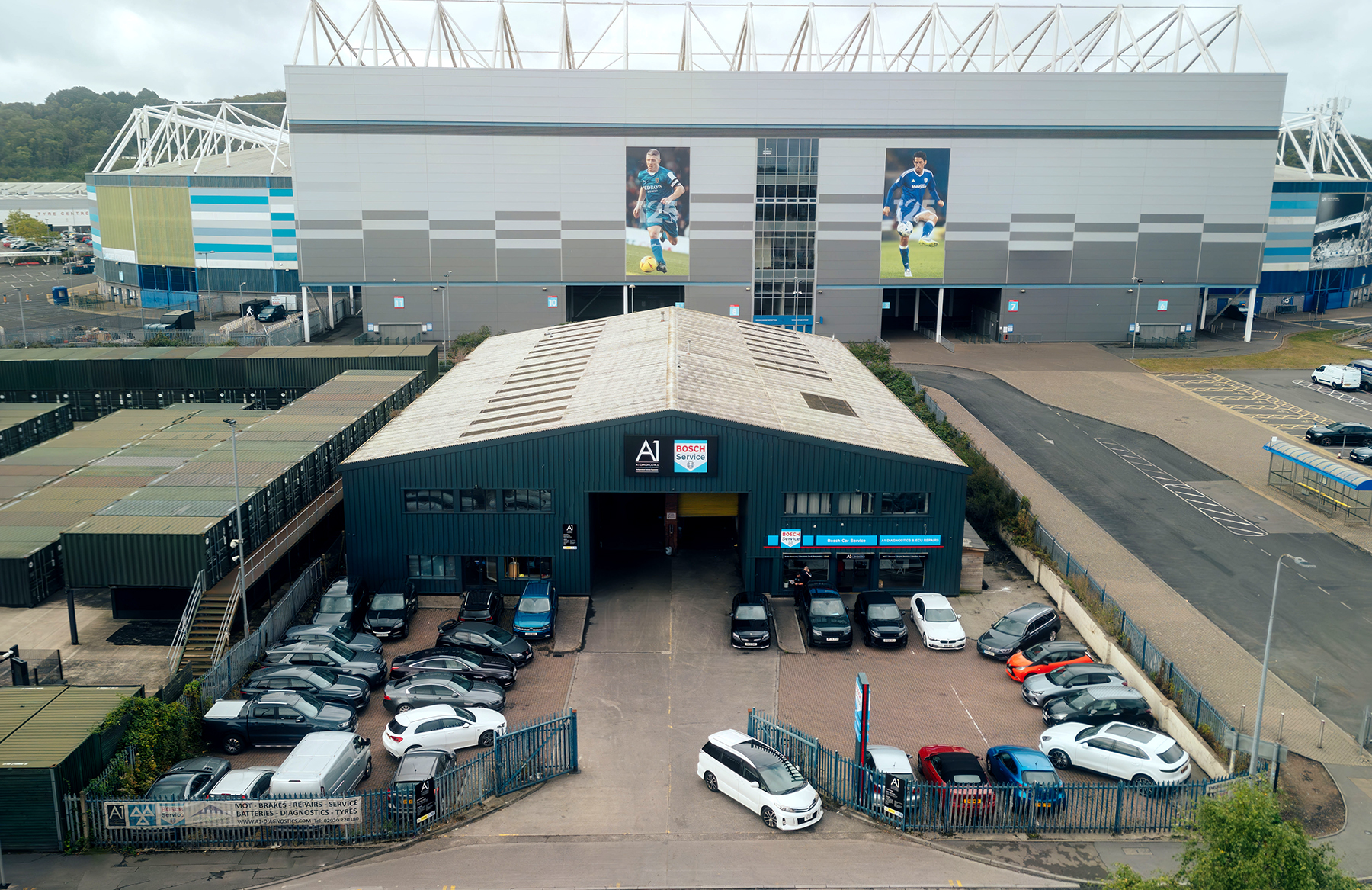
A modern car runs dozens of control units that talk to each other constantly. When a warning light appears, the fault code is only the starting point — it tells you which circuit is unhappy, not which part has failed. Reading a code takes seconds. Working out what actually caused it is the job.
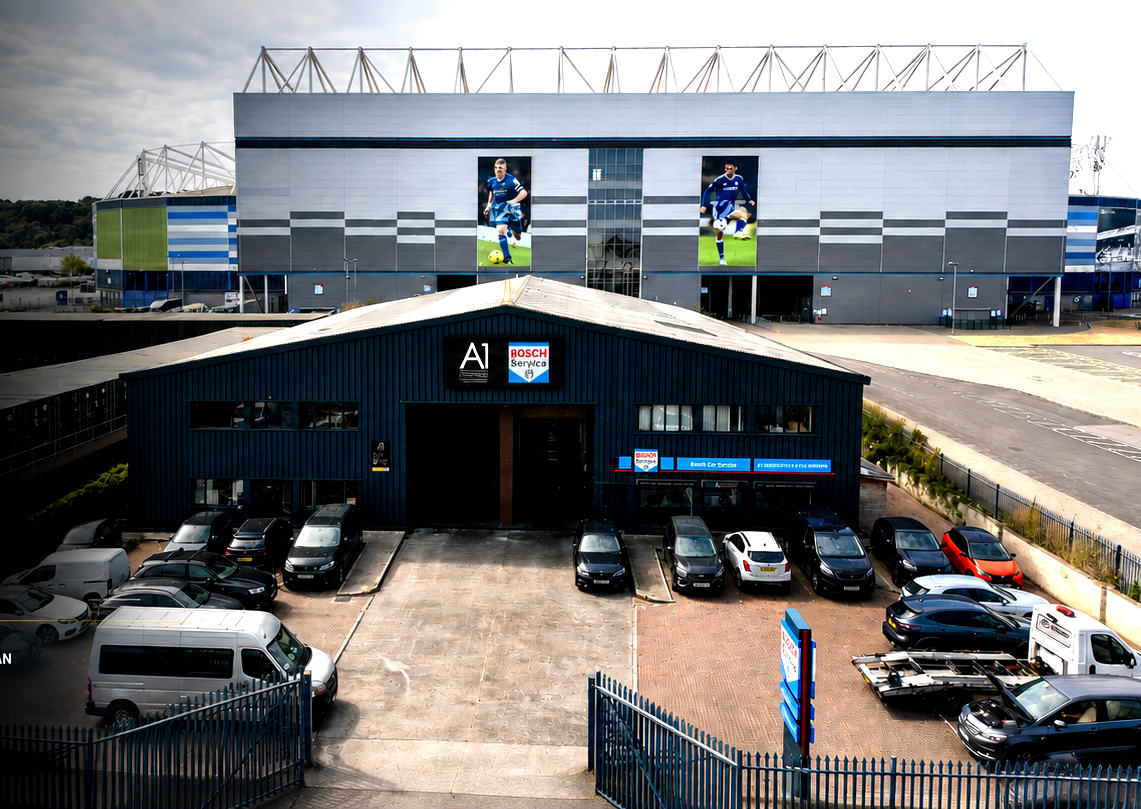
A1 Diagnostics is an award-winning independent garage on Sloper Road in Cardiff, opposite Cardiff City Stadium. We diagnose faults on all makes and models using dealer-level equipment, and because we are a full workshop rather than a diagnostic-only unit, we can carry out the repair once the fault has been found.
Why the fault code is not the fault
This is the most expensive misunderstanding in car repair. A code such as P0171 does not mean “replace the lambda sensor”. It means the engine is running lean, and the lambda sensor is simply the part that noticed. The actual cause might be a split intake hose, a leaking inlet manifold gasket, a tired air flow meter, a sticking injector or a blocked fuel filter. Replace the sensor and the light comes back — only now you are out the price of a sensor as well.
We see cars every week that have already had two or three parts fitted elsewhere on the strength of a code read in a car park. Our job is to find the cause first time, and to show you the evidence before you spend anything.
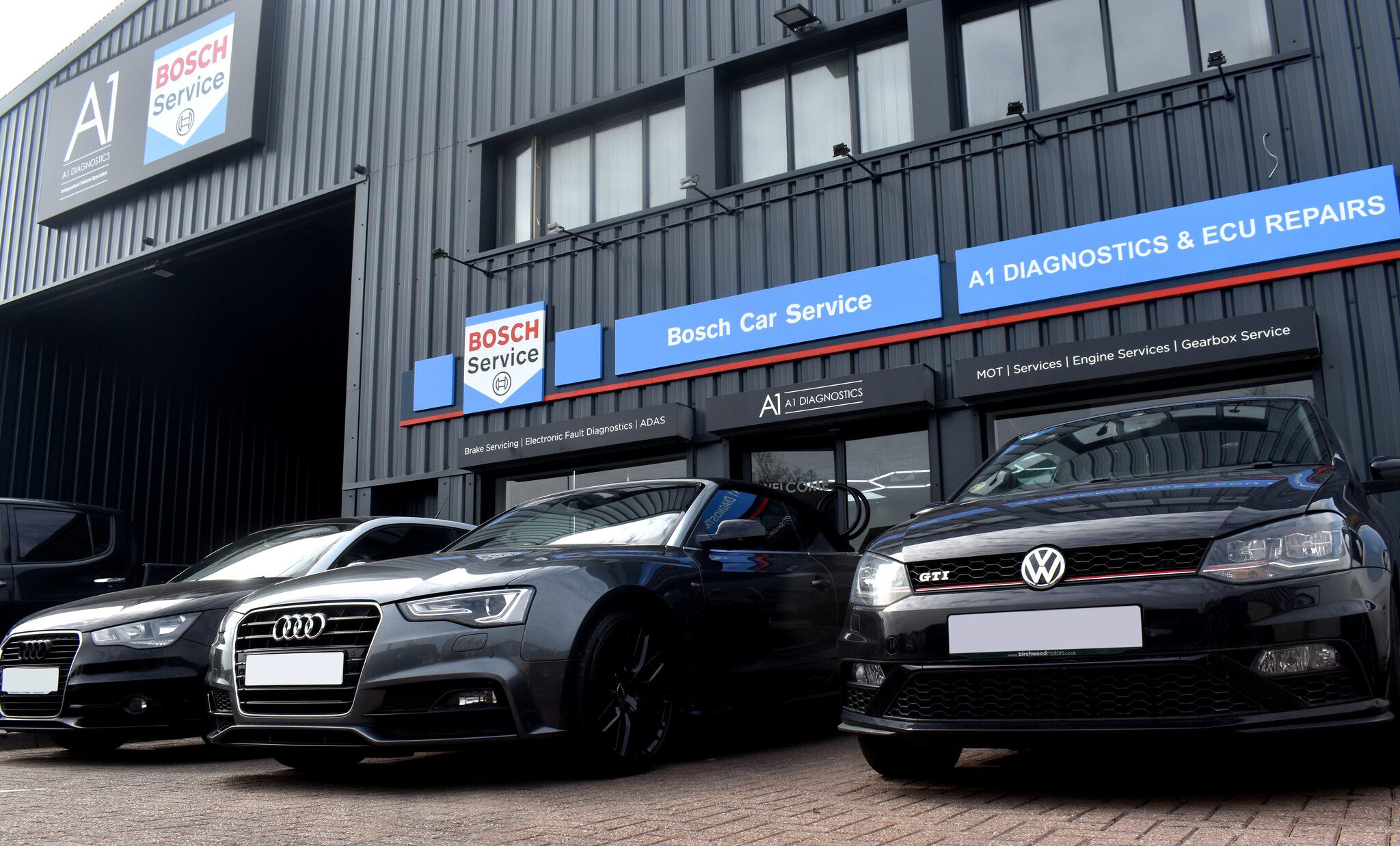
How a diagnostic works here
1. Full system scan. Every module, not just the engine. Modern faults very often show up as a communication error on a completely unrelated unit.
2. Freeze frame and fault history. We look at the conditions the fault was recorded under — temperature, engine load, road speed — because that usually tells us where to start looking.
3. Live data. We watch the sensors working in real time and compare them against what the manufacturer says they should be doing.
4. Physical testing. Wiring and voltage drop checks, pressure tests, smoke testing for air and vacuum leaks, and oscilloscope work where a signal has to be seen rather than read.
5. Road test with data logging. Some faults never appear on a ramp. We log data out on the road until the fault shows itself.
6. A plain explanation. What has failed, why it failed, what it costs to put right, and what happens if you leave it.
Vehicle Diagnostics Frequently Asked Questions

Faults we diagnose
1. Engine management and emissions faults, including engine warning lights and limp mode
2. Gearbox and transmission faults, including DSG and mechatronic units
3. ABS, traction control and stability system faults
4. Airbag and restraint system warnings
5. Electrical faults, parasitic battery drain and charging problems
6. Immobiliser, key and central locking faults
7. AdBlue and diesel emissions faults, including DPF and EGR problems
8. Driver assistance faults where cameras or radar need recalibrating
9. Intermittent faults that other garages have not been able to reproduce
10. Hybrid and electric vehicle high voltage system faults
Remote diagnostics and coding
Remote diagnostics is a large part of what we do, and it is unusual for an independent garage. We connect to a vehicle over the internet through a device plugged into its diagnostic socket, which lets us carry out programming, coding and module configuration on a car sitting in another workshop entirely.
Garages, body shops and dealerships across South Wales use us for exactly this: a replacement control unit that needs coding to the vehicle, an ADAS camera that needs configuring after a windscreen replacement, key and immobiliser programming, or a diagnosis on a vehicle they cannot get to move. It saves a recovery truck and most of a day of workshop time.
If you run a garage or body shop rather than owning the car, our remote tool and cloud services pages explain how the trade side works.

An Award-Winning Independent Garage
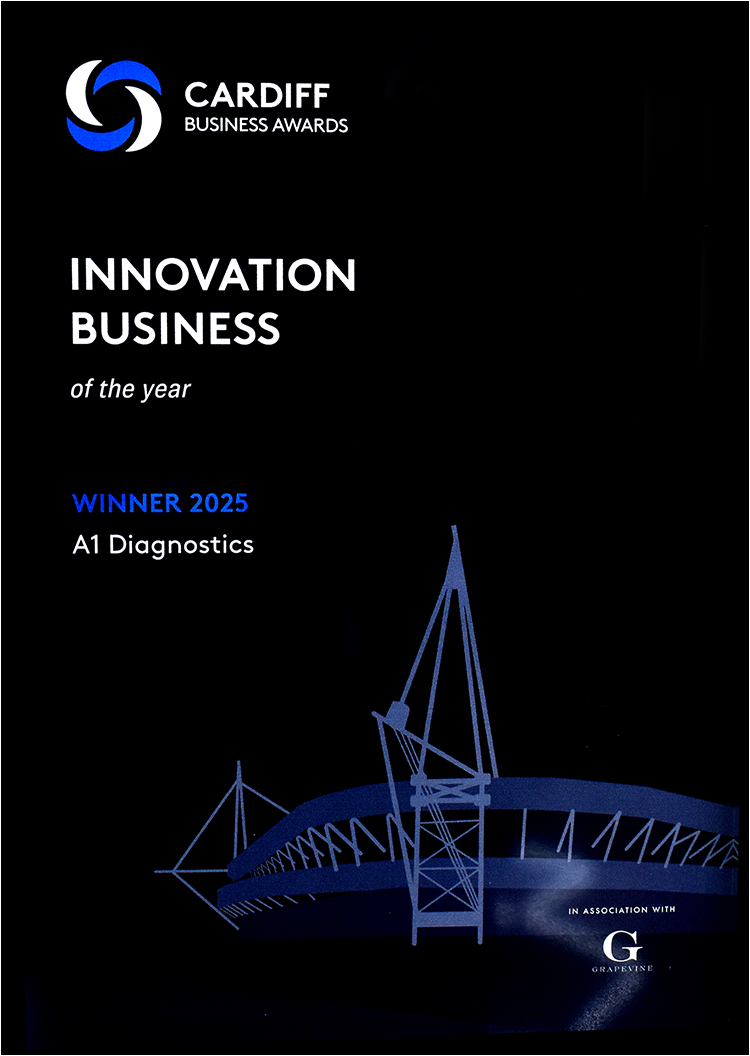
A1 Diagnostics has received recognition for its work within the automotive industry and the Cardiff business community. In 2025, the company was named Innovation Business of the Year at the Cardiff Business Awards.
Our awards reflect the investment we have made in vehicle diagnostics, workshop technology, technical services and the continued development of the business.
The faults we see most in Cardiff
Short journeys and stop-start traffic are hard on modern cars, and it shows in the work that comes through the door. Diesel particulate filters that never get hot enough to regenerate properly. Batteries that never reach a full charge, which on a modern car produces a dashboard full of warning lights that have nothing to do with the battery. EGR valves clogged with soot. And a steady stream of intermittent electrical faults caused by corrosion rather than component failure — Cardiff is a coastal city, and salt air is unforgiving underneath a car.
How long it takes and what it costs
Most diagnostics take between one and two hours. Some — intermittent electrical faults in particular — take longer, and if that looks likely we will tell you before we go past what was agreed rather than afterwards. You get the diagnosis and the price of the repair before any repair work starts, and there is no obligation to have the work done with us.
Bring the car with the fault showing if you possibly can. If the warning light has gone out the code is usually still stored in memory, so it is still worth coming in — but a fault we can see happening is always quicker to pin down than one we have to recreate.
Operating under this trade body should give you confidence that when you come to our garage you will receive a reliable service to the highest standards so whether you need an engine rebuild, a new clutch, brake replacements we will make sure the servicing is carried out out to the highest standard.
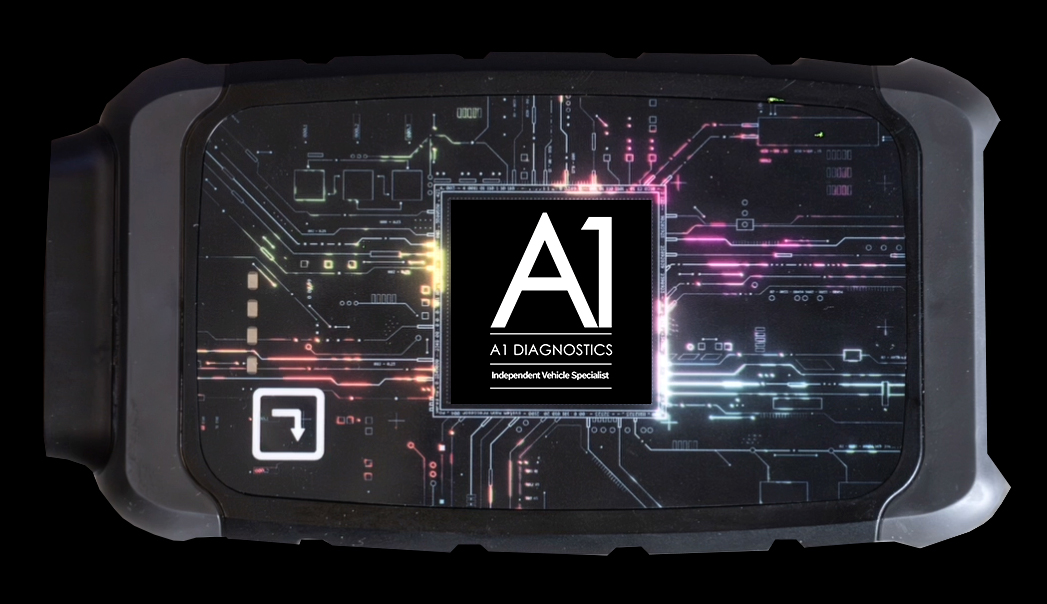
Investing in Modern Vehicle Technology
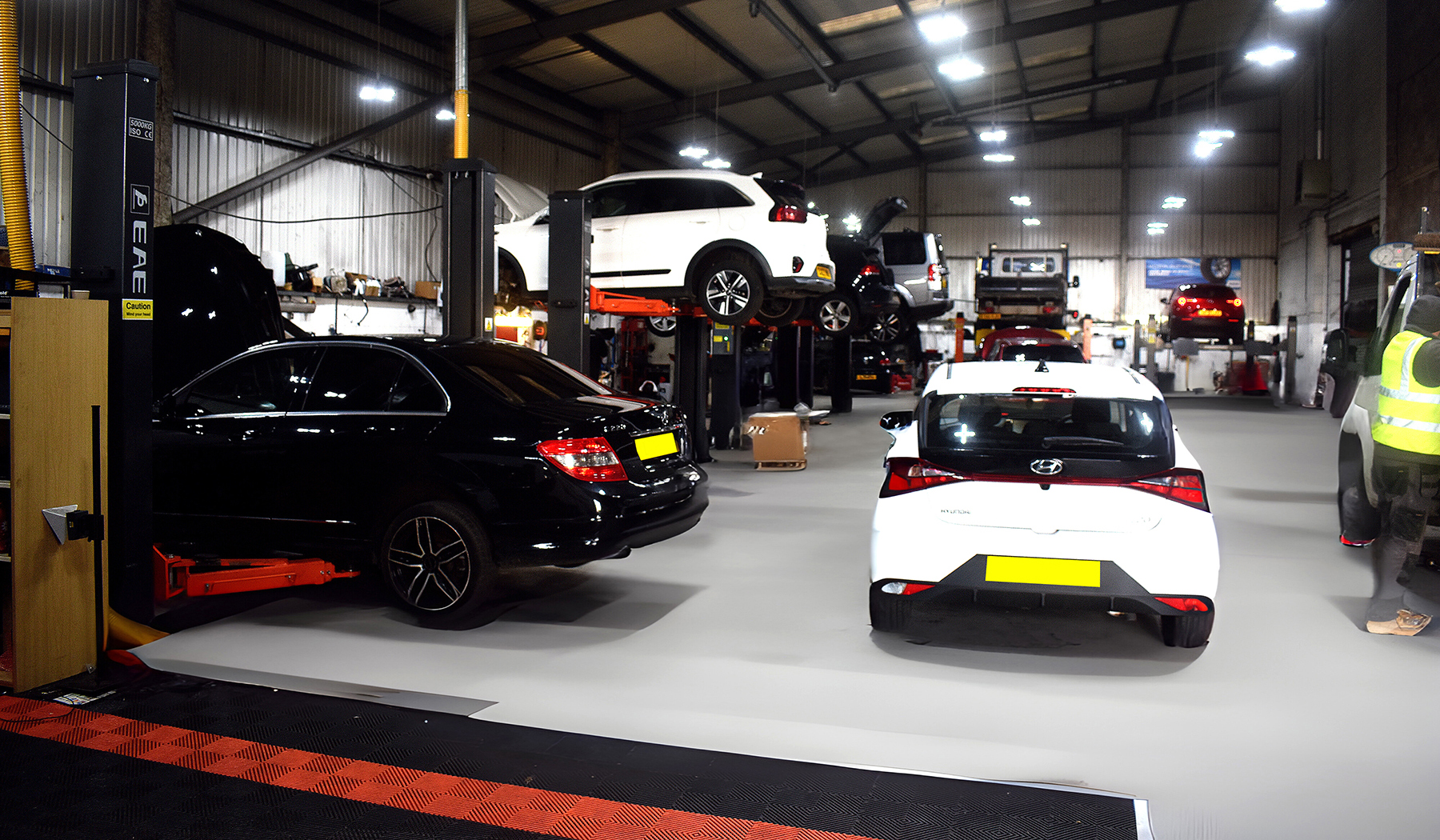
Modern vehicles combine mechanical components with electronic control systems, sensors, cameras, radar units and interconnected control modules. Diagnosing these systems requires suitable equipment, access to technical information and technicians who understand how the components work together.
A1 Diagnostics continues to invest in diagnostic technology, workshop equipment and staff development. This supports services such as advanced fault finding, ECU and module programming, electrical repairs, key coding, gearbox diagnostics and ADAS calibration.
The section should include specific examples of equipment and training where these can be publicly verified. Precise evidence is more credible than general phrases such as “the latest technology.”
Every make and model
We work on all manufacturers, with dedicated equipment for Audi, BMW, Mercedes-Benz, Volkswagen, Land Rover and Range Rover. You can see the full list of makes we service.
Related services
1. ECU repairs
3. ADAS calibration in Cardiff
4. DSG gearbox servicing and repairs
6. Key coding
10. All our services
Book a diagnostic
Call 02920 220 380 or contact us to book. We are at 64 Sloper Road, Leckwith, Cardiff, CF11 8AB, open Monday to Friday, 8am to 6pm.
Operating under this trade body should give you confidence that when you come to our garage you will receive a reliable service to the highest standards so whether you need an engine rebuild, a new clutch, brake replacements we will make sure the servicing is carried out out to the highest standard.
Contact Us
A1-Diagnostics and ECU Repairs
64 Sloper Road
Leckwith,
Cardiff
CF11 8AB
Tel: (029 20) 220380
Fax: (029 20) 223172
Opening Times
Mon – Fri: 8:00am – 6:00pm