


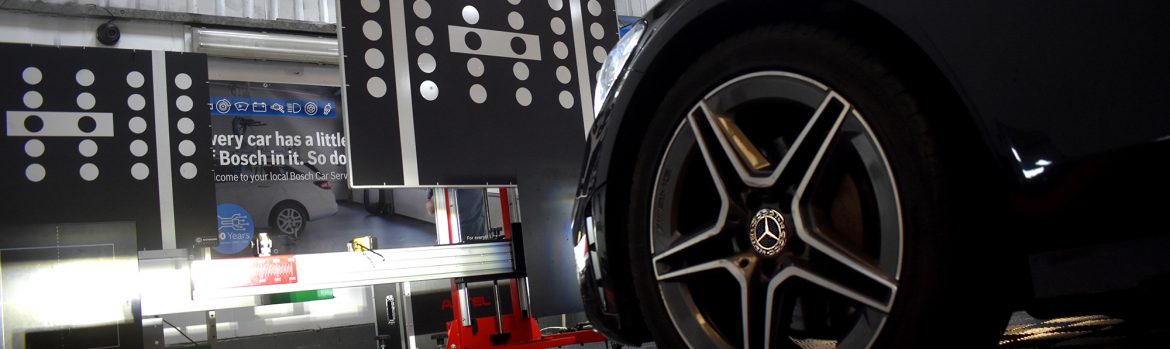
ADAS, or Advanced Driver Assistance Systems, include a variety of safety features in modern vehicles that use sensors, cameras, and other technologies to enhance driver safety and improve the overall driving experience. Here at A1 Diagnostics we can re-calibrate ADAS systems from our state-of-the-art ADAS re-calibration bay, here are a few photos.


Recalibrating ADAS systems is crucial for several reasons:
Accuracy of Safety Features: ADAS features, such as adaptive cruise control, lane departure warning, automatic emergency braking, and collision avoidance systems, rely on precise calibration to function accurately. If the sensors or cameras are not calibrated correctly, the accuracy and effectiveness of these safety features can be compromised.
Collision Avoidance: ADAS systems play a crucial role in collision avoidance. Recalibrating ensures that the sensors and cameras are aligned correctly, allowing the system to accurately detect obstacles, pedestrians, and other vehicles in real-time. This helps in issuing timely warnings or taking corrective actions to avoid collisions.
Proper Functionality: Calibration ensures that the ADAS components are working as intended. Over time, factors such as vibrations, temperature changes, and normal wear and tear can affect the alignment of sensors and cameras. Regular recalibration helps maintain the proper functionality of these components.
Vehicle Positioning: ADAS systems often require precise information about the vehicle’s position on the road. Recalibrating the sensors and cameras ensures that the system has accurate data regarding the vehicle’s location, alignment, and orientation.
Compliance with OEM Standards: Vehicle manufacturers provide specific guidelines for the calibration of ADAS systems. Following these guidelines ensures that the calibration process meets the original equipment manufacturer (OEM) standards, maintaining the safety and performance of the vehicle.
Avoiding False Alarms: Incorrectly calibrated ADAS systems may lead to false alarms, where the system erroneously detects potential hazards or malfunctions. Recalibration helps in minimizing false alarms and ensuring that warnings are only triggered when necessary.
Post-Repair Calibration: After certain types of repairs, such as windshield replacement or suspension work, recalibrating ADAS systems is often necessary. This ensures that the sensors and cameras are properly aligned, as these repairs can impact the original calibration.
In summary, recalibrating ADAS systems is essential for maintaining the accuracy, reliability, and safety of these advanced technologies in vehicles. Vehicle owners and technicians should follow manufacturer recommendations and industry standards for calibration procedures to ensure optimal performance and safety.
Work with an award winning independent garage
Lets cut straight to the chase. You have found an award winning garage. Get in touch if you have any queries our team is ready to give you expert advice and are happy to help.
A1-Diagnostics and ECU Repairs
64 Sloper Road
Leckwith,
Cardiff
CF11 8AB
Tel: 02920 220 380
Opening Times
Mon – Fri: 8:00am – 6:00pm
Email: info@a1-diagnostics.com
 |  |