In a recent article we explored the world of timing chains, looking at the important role these parts play in the smooth running of a piston engine. Don’t worry if you missed it, we’ve included a summary below! In this piece, we’re looking at the sister part to the timing chain: wet belts. Essentially, the two are the same, performing the same function within the engine. However, vehicle manufacturers select one over the other for a number of reasons, and we’ll examine the pros and cons below.
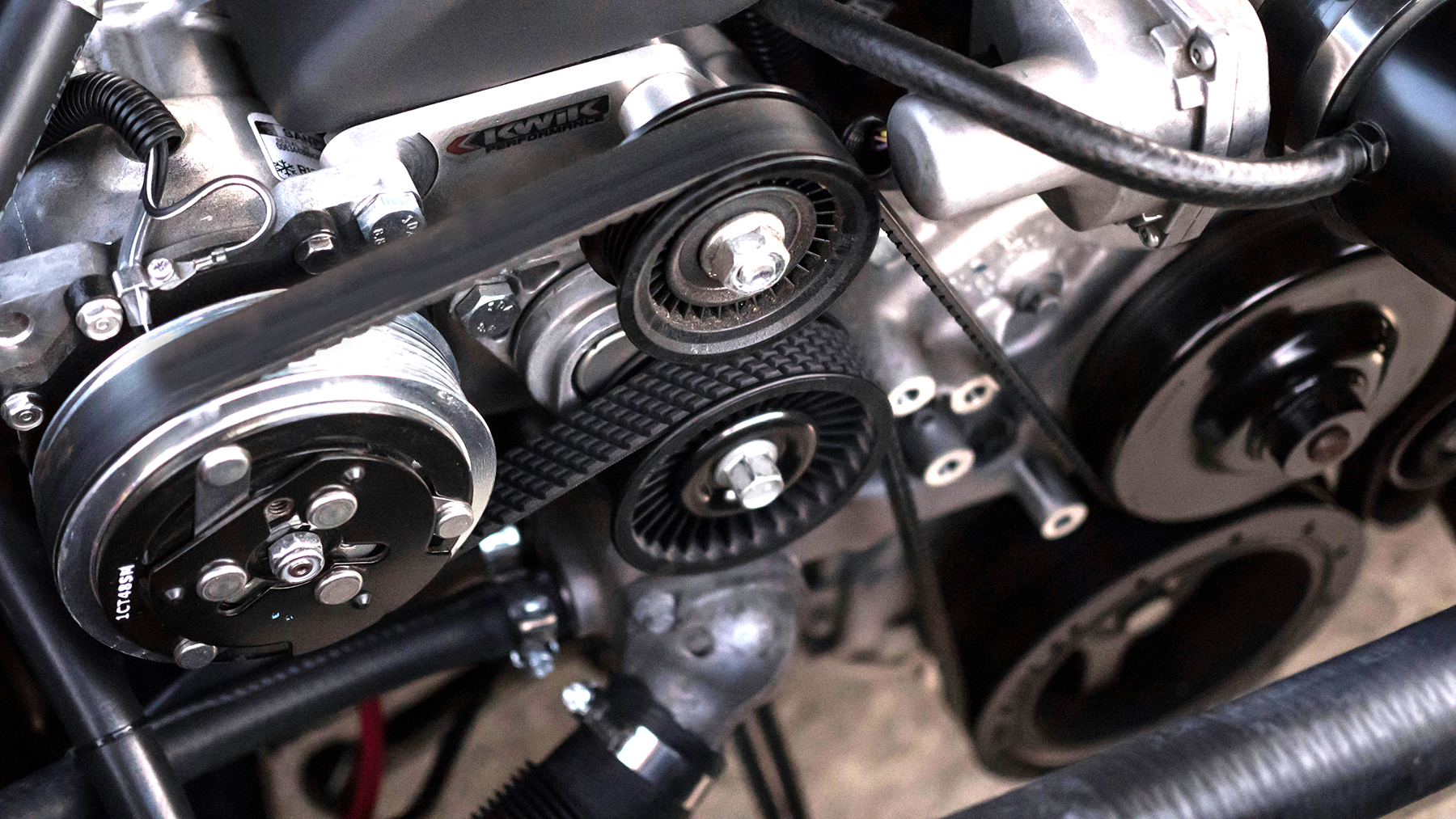
First of all, what is a wet belt? As the name suggests, it’s a rubber belt that runs within a car’s engine and coordinates the opening and closing of valves in time with the movement of the pistons in the engine. This is crucial for moving power around the vehicle; the pistons suck in a mixture of air and fuel into the engine’s combustion chamber, which is ignited and the resulting thrust is pushed by the pistons through various valves and shafts towards the wheels, making the car move. Simple!
To make sure these processes happen in a coordinated way, the wet belt (or timing chain!) acts as a central control. So why is it wet?! In a number of vehicle models, the belt is submerged in engine oil and runs essentially ‘wet’. This provides constant lubrication and prevents the belt from drying out and becoming fragile too quickly.
So why choose a wet belt system? The main benefit to a wet belt is its quieter running and smoother performance. They offer a lower friction when running (think smooth rubber verses inflexible metal), which in turn improves fuel efficiency. For drivers on higher mileages, this is a significant consideration.
Fragility is the main downside to a wet belt. Rubber will perish over time, either from wetting and drying, or just from routine wear and tear. The friction of regular movement within a high-pressure environment will degrade the rubber, causing it to spilt and fracture, so it’s important to maintain wet belts carefully to extend their lifespan. Some manufacturers prefer metal timing chains for this reason – their lifespan is generally longer and the parts are more reliable.
Need help with your vehicle?
Our Cardiff workshop diagnoses the fault and gives you a fixed quote before any work starts.
So how can you tell when a wet belt needs attention? A key warning sign is heat coming from the engine – if this is building up, it’s an indicator that something is wrong and it’s best to get it investigated quickly. Another indicator can be diluted fuel, or contamination of the engine oil. As the rubber degrades it tends to shred, meaning that small pieces of rubber enter the oil system and clog strainers. This in turn can cause low oil pressure, which is often indicated by a warning light on your dashboard.
The best way to avoid these scenarios is to have your vehicle regularly serviced and in particular to focus on the engine oil. It’s not glamorous, but as the name suggests, a wet belt exists in a world of engine oil! Making sure this oil is routinely changed and kept up to spec is the best method of avoiding bigger problems down the line. Changing the oil regularly and also checking and changing the oil filters can help prolong the life of a wet belt.
As with all parts, though, they will eventually need replacing, and this typically happens when a car reaches 6-10 years old or 60,000 – 100,000 miles, whichever is first. It can vary by manufacturer, but the biggest factor will be mileage. Replacing a belt doesn’t need to be expensive, but it can vary depending on car manufacturer, parts costs and labour required.
The best way to keep your costs down is to ensure your vehicle has good quality, regular maintenance, and is overhauled by professional mechanics at least once per year. Here at A1 Diagnostics we pride ourselves on giving great value service and offering the quality of routine care that can keep your vehicle running happily for longer. Get in touch today to discuss how we can help you and your car!